
Depression is a mental health disorder characterized by persistent sadness, loss of interest, fatigue, changes in sleep patterns, and impaired concentration. It can range from mild to severe and may interfere with daily functioning.
Causes of Depression:
1. Biological Causes: Neurochemical imbalances (serotonin, dopamine deficiency).
2. Psychological Causes: Trauma, chronic stress, negative thought patterns.
3. Social Causes: Isolation, family issues, or lack of support.
4. Environmental Triggers: Job loss, bereavement, or sudden life changes.
5. Genetic Predisposition: Family history of depression.
Hypnotherapy benefits in Depression
Hypnotherapy can help patients reframe negative thought patterns, desensitize traumatic memories, and develop coping mechanisms.
Recent research in the use of Hypnotherapy as a complementary therapy for Depression has yielded significant insights, highlighting its potential as an effective treatment option. A 2023 study published in Psychological Medicine found that patients undergoing hypnotherapy experienced significant improvements in mood, energy levels, and overall mental well-being compared to standard psychotherapy.
1. Clinical Applications and Benefits: A recent article published by the American Psychological Association (APA) in April 2024 discusses the robust benefits of clinical hypnosis in psychotherapy. It notably improves outcomes related to depression, anxiety, and sleep disturbances, alongside applications in pain management. The research underscores how hypnotherapy can enhance patient well-being and facilitate deeper therapeutic connections. [Learn more here].
2. Systematic Review Findings: – A systematic review focusing on hypnosis for major depressive disorder highlights the evolving understanding of its efficacy. While findings suggest low-quality evidence supporting the effectiveness of hypnosis-based interventions in reducing depressive severity, researchers emphasize the need for further rigorous studies to bolster these claims. [Read the comprehensive analysis here]
3. Mindful Hypnotherapy: – In a groundbreaking study conducted by Khazraee et al. in 2023, a specifically designed Mindful Hypnotherapy (MH) program was tested against a control group. Patients with diagnosed depression showed significant reductions in depressive symptoms, enhanced self-compassion, and improved mental flexibility after undergoing MH sessions. This suggests that incorporating mindfulness into hypnotherapy can lead to better treatment outcomes for depression.
4. Comparative Studies with Cognitive Behavioral Therapy (CBT): – A June 2024 study compared the effects of hypnotherapy versus cognitive behavioural therapy among a sample of 75 depressed patients. The research aimed to measure outcomes before and after therapy, revealing insightful data on the potential differential effects of these therapeutic approaches. This study contributes to the ongoing discourse on integrating hypnotherapy into standard treatment protocols for depression. [Access the study here].
5. Global Acceptance of Hypnotherapy – As a sign of its evergrowing acceptance, the global hypnotherapy market is projected to grow significantly, with estimates reaching USD 80.76 billion by 2030, indicating a rising acceptance and demand for hypnotherapy as a legitimate treatment modality for mental health issues, including depression. [Check the market analysis here]
6. Meta-Analytic Evidence: – Further reinforcing the efficacy of hypnotherapy, a meta-analysis provides comprehensive evidence on hypnosis’s positive impact on various mental health outcomes. This foundational research is crucial for legitimizing hypnotherapy within clinical settings and enhancing its integration into treatment plans for depression and other mental health disorders. [View the meta-analysis here]
Scientific Research in Hypnotherapy – Read more
Evidence-Based Hypnotherapy Techniques for Depression
Hypnotherapy is a complementary therapy that offers a range of therapeutic tools to help you through your journey to recovery from depression.
1. Regression Therapy for Identifying Root Causes: In this, we guide the client to revisit significant past events contributing to depression and process them in a safe environment.
Barabasz & Watkins (2018) demonstrated that regression hypnotherapy can help clients resolve deep-seated emotional pain, reducing depressive symptoms.
Inner Child Healing: To empower your Emotional Self, or the Inner Child, from debilitating early life experiences and cognitive restructuring and reframing of trauma memory, also reprogramming deep-seated subconscious behavioural patterns, go for Inner Child Healing. Click here
Guided Imagery for Emotional Reconnection: This involves using hypnotic imagery to help the client reconnect with joyful emotions and foster hope. A 2020 study in the Journal of Clinical Hypnosis found that guided imagery reduces depressive symptoms by stimulating positive emotional states.
Anchoring Positive States for Emotional Regulation: Involves creating physical anchors (such as pressing two fingers together) to access positive emotional states during moments of sadness. Kirsch et al. (2020) found that emotional anchoring through hypnotherapy improves emotional stability in individuals with depression.
2. Cognitive Behavioral Hypnotherapy (CBH): CBH integrates hypnotherapy with cognitive behavioural therapy to help clients challenge and restructure negative thoughts.
A study by Alladin (2016) demonstrated CBH’s effectiveness in treating depression by changing distorted thought patterns through hypnosis.
Emotional & Mental Detox: Emotional Detox is a wonderful, simple yet powerful method to directly access the Subconscious mind, where all our negative emotions are stored. Click here. Mental Detox: Clearing out all extraneous data, files, information and memories you have been holding on to. Memories you cling to, weigh you down. Ready to let go? Click here
3. Past Life Regression: Sometimes, trauma imprints, memories or beliefs from past lives can also cause depression. Lifetimes of melancholy, disasters and natural calamities that caused loss of family, etc, can explain unexplained sadness. Click here.
Holistic Approach in Healing: Every problem or aliment has a Karmic component just as it has a behavioural component among many more. So we advise every new person who comes to us for healing to address this part as well.
There are two ways of handling this Karmic baggage, the first is the traditional method of Past life Regression Therapy or PLR, where you access your past lives in a meditative state through hypnosis and heal not just the karma but also the trauma imprints coming from there. Read more
The second is an easier method in which the healer accesses your past lives and heals them psychically. Read more.
We believe once the Karmic component of an ailment or issue is healed, we have better chances of success using any other modality of healing. Be it hypnotherapy, traditional allopathic medicine or even surgery. You would have seen that often, and we don’t have the right karma. It is so hard to find the right doctor and if it is your time to heal, you will heal through a simple herb. If we have the karma to heal we heal faster.
However, this approach remains optional as we understand that not everybody believes in past lives or the concept of karma.
4. Shadow Work: It helps you understand and heal how your dark side or your wounded side keeps running your life, and you keep repeating patterns, meeting the same people and situations in life. Click here
5. Dream Therapy: Dreams come from the Subconscious, so we access the Subconscious mind itself under Hypnosis and understand, heal and explore various interpretations of our dreams. This makes Dream Therapy simple, effective and yet powerful for understanding the mysteries of the mind and making therapeutic interventions right at the Unconscious level. Hypnosis gives us direct access to the Subconscious and the Unconscious under able guidance Dream Therapy can be an excellent tool to work through your dreams and access the Wisdom of your powerful Subconscious. Carl Jung called his method of going deep ‘active imagination’, others call it introspective hypnotism. Dream Work can open up new frontiers of inner growth. Click here
6. Anxiety Relief – PTSD & C-PTSD: Click here
7. Somatic Therapy: What we don’t feel or heal our body and mind reveals the pain and suffering. Listen to what the is body trying to tell you, where it needs healing, care or concern. Tapping into the Wisdom and the Healing Power of the Body Click here
8. Self-Hypnosis Training for Daily Emotional Support: Clients are taught self-hypnosis techniques to manage depressive symptoms between sessions.
Research by Spiegel (2021) showed that self-hypnosis enhances long-term outcomes for individuals with depression by empowering them to self-regulate emotions.
Hypnotherapy creates an induced state of both mental and physical relaxation, which can recalibrate the nervous system gradually. Bringing it to a state of ease from a state of hyper-vigilance and aggravation. It is possible to heal by calming the nerves regularly. We can retrain and restore our brain, nervous system and mind to a state of greater ease and, yes, peace.
Hypnotherapy offers a wide range of effective, evidence-based techniques for managing depression. By addressing the root causes, restructuring negative thought patterns, and promoting positive emotional states, hypnotherapy provides clients with long-lasting relief. Techniques such as CBH, guided imagery, regression therapy, inner child healing, parts therapy, anchoring, shadow work, past life regression and future pacing ensure a holistic approach, empowering clients to take control of their mental well-being. With a growing body of scientific research and client success stories, hypnotherapy continues to be a valuable tool for treating depression.
Book your session today!
Session duration: 1 – 1 1/2 hours,
Online over Zoom or at our centre in Sector 57, Gurgaon.
Fee: Rs 7000 INR per session
Contact (11 am – 7 pm IST):
Abhishek Joshi: +91 981020 6293
Priyanka Shukla: +91 9594280000
or share you problem with us in detail at info@innerjourneys.life
Can there be a Deeper meaning to Depression?
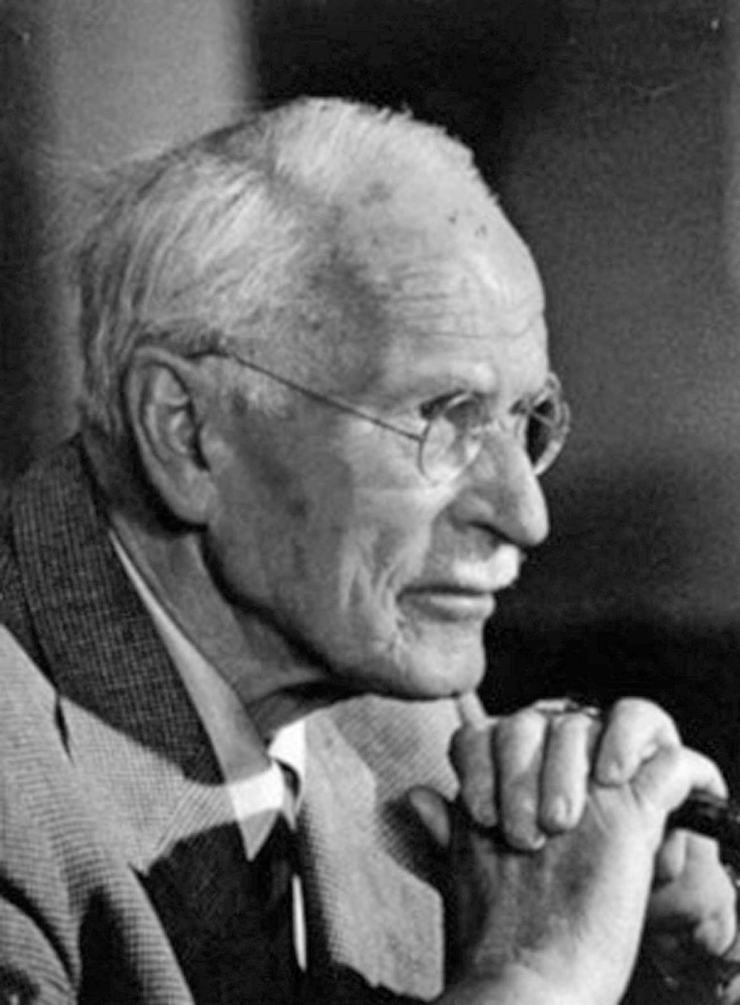
Noted Swiss psychiatrist Carl Jung (1865 -1961) viewed depression not merely as a clinical disorder but as a complex, multifaceted experience that could serve as a profound opportunity for personal growth and transformation. In Jung’s view, depression often arises when there is a significant disconnect between the conscious ego and the unconscious. This disconnect might occur because the conscious mind has been ignoring, suppressing, or denying vital aspects of the self that reside in the unconscious. Depression, in this sense, is a manifestation of the psyche’s attempt to draw attention to these neglected or repressed elements. The depressive state is a form of communication from the unconscious, signalling that something crucial is being overlooked in the individual’s life. A person who has suppressed their authentic desires or neglected their emotional needs in favour of external expectations might experience depression as a way for the unconscious to demand acknowledgement and integration of these neglected aspects.
“Depression is like a woman in black. If she turns up, don’t shoo her away. Invite her in, offer her a seat, treat her like a guest and listen to what she wants to say.”
– Carl Jung
The Shadow and Depression: The shadow represents the parts of the self that the conscious mind refuses to acknowledge, often because they are perceived as undesirable or incompatible with one’s self-image. These can include not only negative traits such as anger, jealousy, or selfishness but also positive qualities that do not fit the individual’s societal or personal identity, such as creativity, spontaneity, or assertiveness.
Jung argued that the more one tries to ignore or suppress the shadow, the more power it gains in the unconscious. Eventually, this repressed energy can manifest as psychological distress, including depression. Depression, in this context, is seen as a consequence of the unresolved conflict between the conscious self and the shadow. The depressive state often reflects the unconscious influence of the shadow, which demands to be recognized and integrated into the individual’s conscious life.
Depression as a Crisis of Meaning: Jung’s approach to depression is deeply existential, viewing it not just as a psychological issue but as a crisis of meaning. He believed that many cases of depression arise when an individual’s life loses its sense of purpose or when their existing sources of meaning no longer resonate with them. This could happen due to life changes, such as losing a loved one, a career transition, or a major life disappointment. It could also occur as a result of a gradual realization that one’s life is not aligned with one’s deeper values or spiritual beliefs.
Jung often referred to this type of depression as a “soul sickness.” He believed that when the soul—or the deeper, spiritual aspect of the psyche—is not being nourished by a meaningful life, depression can ensue. The emptiness and despair that accompany depression, from this perspective, are reflections of the soul’s hunger for meaning and fulfillment. In this view, depression is not just a mental or emotional issue but a profound existential challenge that calls for a reevaluation of one’s life purpose and direction.
“Depression is not necessarily pathological. It often foreshadows a renewal of the personality or a burst of creative activity. There are moments in human life when a new page is turned.”
~Carl Jung, CW 16, par. 373.
Jung often spoke of depression as a spiritual crisis—a period where an individual’s old beliefs, values, and sources of meaning no longer suffice, leading to a profound sense of loss and emptiness. This spiritual void can be terrifying, as it strips away the familiar anchors of identity and purpose. However, Jung saw this crisis as an opportunity for the individual to rediscover or re-create their spiritual life in a more authentic and meaningful way.
Disclaimer: Hypnotherapy is not a replacement for traditional allopathic or medical treatment, seek help from your mental health professional. Any text on the website is for educational purposes only.
Free cover image courtesy pexels.com
 Inner Journeys