Healing the Father and Mother Wounds: A Path to Wholeness
We all carry emotional imprints from our parents. Sometimes, these imprints take the form of wounds—deep, unresolved feelings tied to unmet needs or difficult experiences with our fathers or mothers. These wounds often shape how we see ourselves, how we relate to others, and even how we navigate the world. The good news is that with compassion, curiosity, and the right tools, healing is possible.
These wounds aren’t necessarily about blaming our parents—they’re human too, with their own struggles and limitations. Instead, they’re about understanding the patterns that have shaped us so we can choose a different path forward.
A parent’s behaviour impacts a girl and boy child differently. Traditionally, Fathers give a child a safe physical environment, while mothers provide emotional safety. Now the question is: Was their own childhood wounded? Were they bullied, abandoned, rejected, or felt like failures, did they feel shame or guilt? It is likely, in that case, that they would have passed on their dysfunctions to you directly or indirectly, even though you might have hated these very traits in themselves.
That’s why, if you are a parent and believe in Conscious Parenting, then Inner Child Healing is an important tool for a better future for your child. Impact can range from poor self-image and low self-confidence to Self-critical, lack of ambition and passion. Weak boundaries, defensive nature towards owning mistakes, lack of self-care, to workaholism (constantly seeking approval – Critical or Narcissistic parent). Fear of being seen as weak: hyper-masculinity or toxic masculinity (aggressive or bully parent). Not taking responsibility, having a defensive nature towards owning mistakes, or shifting blame (critical or abusive parent), recklessness and inability to express emotions, lack of empathy, emotional numbness (emotionally available parent, lack of safe environment to express) and yes, addictions.
Father Wound
The Father Wound often stems from a strained or absent relationship with our father or a father figure. to unresolved emotional pain, trauma, or unmet needs stemming from the father-child relationship. This wound can occur due to physical absence, emotional unavailability, abuse, neglect, or an inability to meet the child’s developmental needs. It can influence self-worth, relationships, career, and overall identity, difficulties with authority, or challenges in stepping confidently into leadership roles.
Father Complex: The Father Complex expands on Jungian ideas about archetypes and the unconscious mind. It represents a constellation of unconscious feelings, beliefs, and behaviours related to the father figure. These patterns are often projected onto authority figures, partners, or oneself. Types of Father Complexes:
1. Positive Father Complex: Over-idealization of the father, leading to dependence on external authority and seeking approval.
2. Negative Father Complex: Resentment or fear toward authority figures due to negative experiences with the father.
Symptoms of the Father Wound
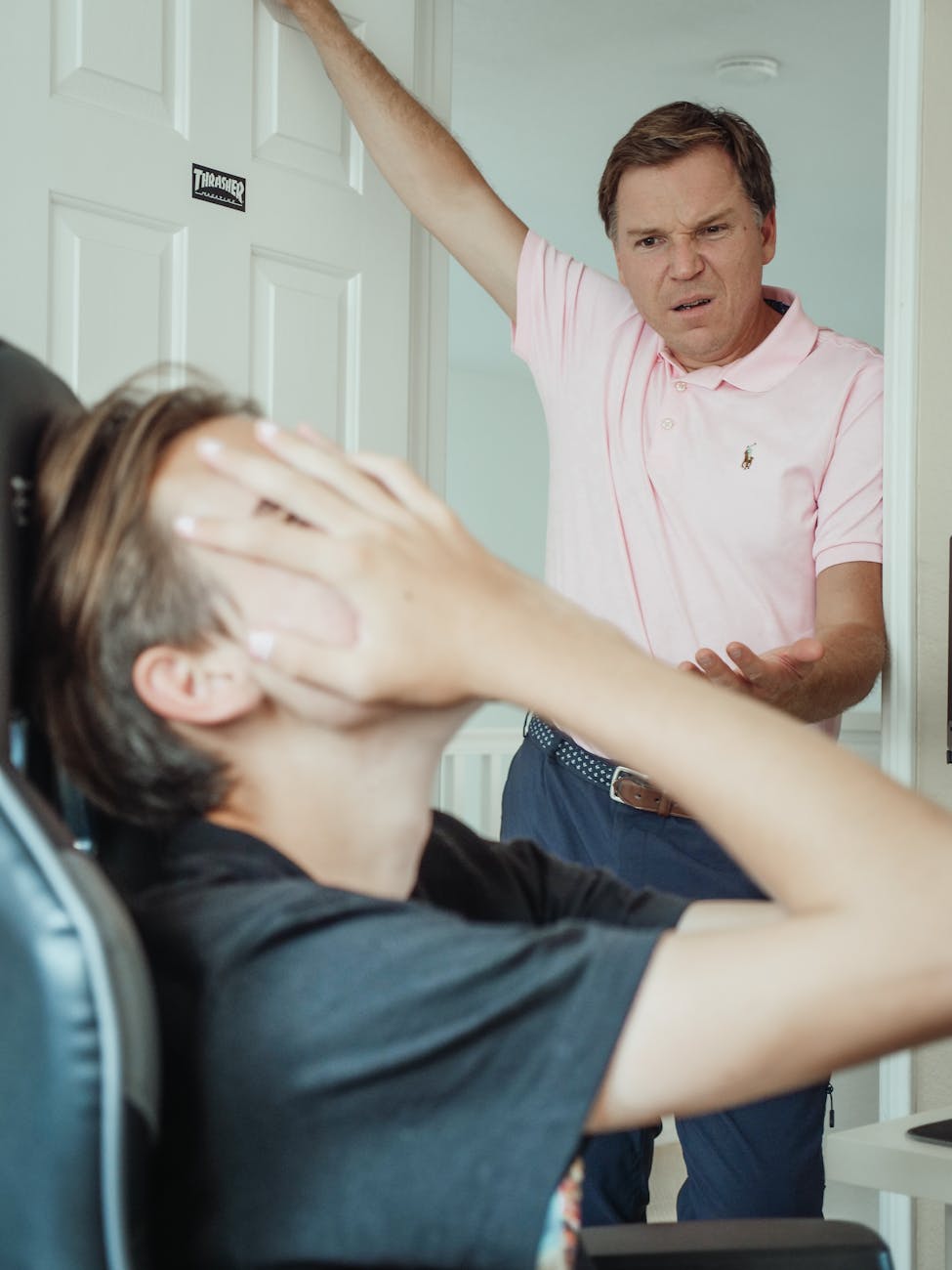
1. Low self-esteem: Feeling unworthy or unloved due to unmet validation from the father. Chronic feelings of rejection, inadequacy, or abandonment.
2. Difficulty setting boundaries: Struggling with asserting oneself, often stemming from fear of rejection or conflict.
3. Perfectionism: Constantly seeking external validation to compensate for the lack of paternal approval.
4. Fear of authority figures: Avoiding or overly deferring to those in positions of power. Rebellion against authority or avoidance of responsibility. Difficulty trusting male authority figures or partners. This is accompanied by anger, resentment, or unresolved grief toward the father figure.
5. Relationship challenges: Repeating unhealthy patterns, such as seeking partners who reflect the father’s traits, codependency or avoidance. Fear of intimacy, commitment, or emotional vulnerability.
6. Emotional unavailability: Struggling to connect deeply or express vulnerability. Addictive behaviors to numb unresolved pain.
7. Overachievement or underachievement: Overachievement to gain external validation. Feeling paralyzed by fear of failure or fear of stepping into leadership roles.
8. Disconnection from the archetypal Wise Father: This leads to poor self-discipline, lack of life direction, or failure to integrate the animus (for women) or shadow masculinity (for men).
9. Imbalance of Masculine and Feminine side: Struggles with integrating masculine and feminine energies within the psyche.
Origins of the Father Wound and Father Complex
1. Absence of the Father: Due to death, divorce, abandonment, or work-related absences.
2. Emotionally Unavailable Fathers: Fathers who were physically present but emotionally distant or neglectful as they were preoccupied with work, addictions, or their own emotional struggles.
3. Overly Critical Fathers: Fathers who imposed unrealistic expectations or shamed their children.
4. Controlling or Abusive Fathers: Overbearing, authoritarian, or violent paternal figures. Physical, verbal, or emotional abuse that eroded trust and safety.
5. Projection: Children unconsciously project unmet needs for authority and approval onto the father figure, amplifying the wound.
6. Societal Expectations: Patriarchal (authoritarian societal structures) or rigid roles prevent fathers from expressing vulnerability or emotional warmth. Thus perpetuating toxic forms of masculinity.
7. Generational Trauma: Fathers carrying unresolved wounds from their own upbringing may pass these on. Fathers repeating patterns from their own unresolved wounds or childhood trauma.
Impact on Future Relationships
The father-child relationship significantly shapes an individual’s beliefs, behaviors, and expectations in adult relationships. A father wound or father complex can create unconscious patterns that influence how a person interacts with romantic partners, friends, authority figures, and even their own children.
1. Attachment Styles
• Insecure Attachment: A father who was emotionally unavailable, neglectful, or abusive can result in an insecure attachment style:
• Anxious Attachment: Constant need for validation and fear of abandonment.
• Avoidant Attachment: Difficulty forming close bonds and tendency to push people away.
• Secure Attachment Challenges: Individuals may struggle to trust others or feel worthy of love due to unmet needs in childhood.
2. Projection of Father Traits onto Partners
• Positive Projection: Over-idealizing partners who exhibit father-like qualities, leading to dependence or unrealistic expectations.
• Negative Projection: Viewing partners through the lens of the father’s flaws, resulting in mistrust, resentment, or unresolved conflicts.
3. Fear of Intimacy
• A father wound may lead to emotional guardedness, making it challenging to open up or be vulnerable in relationships.
• Individuals may fear being abandoned or hurt, repeating the emotional distance they experienced with their father.
4. Repetition of Patterns
• Choosing partners who replicate the father’s traits (e.g., emotionally unavailable, critical, or abusive) in an unconscious attempt to “heal” the father wound.
• Re-enacting unresolved dynamics, such as trying to gain approval or affection from a partner who withholds it.
5. Difficulty with Boundaries: A father who was overly controlling or dismissive of autonomy can lead to difficulty asserting boundaries or respecting others’ boundaries. Individuals may become people-pleasers, fearing rejection, or overly rigid, rejecting intimacy altogether.
6. Low Self-Worth: A father wound often leaves individuals feeling “not good enough,” which can manifest in Accepting less than they deserve in relationships. Overcompensating through overachievement or perfectionism to gain approval.
7. Conflict Avoidance or Aggression: A history of paternal criticism or conflict can lead to: Avoiding confrontation for fear of rejection or reprisal. Overreacting with anger or defensiveness, echoing unresolved feelings toward the father.
8. Issues with Authority Figures: Individuals may struggle to relate to male authority figures (e.g., bosses, teachers) due to negative associations with paternal authority. Conversely, they may seek validation from such figures, perpetuating dependency.
Examples of Resultant Relationship Patterns
Case 1: Repeating the Past
A woman with a father who was distant and dismissive continually chose partners who were emotionally unavailable. Through therapy, she realized she was unconsciously seeking to “win” the love and approval her father never provided.
Case 2: Fear of Rejection
A man whose father was highly critical developed a deep fear of failure in his romantic relationships. He avoided expressing his needs or opinions to prevent conflict, which led to passive-aggressive behaviors and eventual breakdowns in communication.
Case 3: Overcompensating for Approval
A person with a father who valued achievements over emotional connection might seek perfection in relationships—always trying to “earn” love and becoming devastated when they perceive failure.
Healing the Father Wound
Healing the Father wound is a profound journey requiring exploration of the personal and archetypal realms of the psyche. Techniques like inner child healing, shadow work, and archetypal integration allow individuals to transform their pain into empowerment. By addressing these wounds, clients reclaim their emotional freedom, strengthen their sense of self, and improve their relationships.
1. Shadow Work: In Jungian psychology, unresolved wounds form part of the shadow. Healing requires exploring suppressed emotions such as anger, grief, or shame. Shadow work helps to integrate suppressed emotions and release their grip on the psyche. Read more
2. Inner Child Healing: The Father Wound often originates from unmet childhood needs. When you revisit and reframe childhood experiences, you can also re-parent the inner child, offering the love and validation it lacked. Read more
3. Archetypal Integration: Healing the Father Wound involves reconnecting with the Wise Father archetype, which embodies guidance, wisdom, and inner authority. Hypnotherapy visualization helps you to meet and integrate this archetype. Empower clients to trust their inner guidance and reclaim autonomy.
4. Forgiveness and Release: Forgiveness does not mean condoning past actions but releasing the emotional hold they have. Hypnotherapy helps in emotional liberation and closure from a deeper level, not just intellectually, which is ineffective. Read more
5. Somatic Healing: Unprocessed trauma from the father wound is often stored in the body. By releasing pent-up energy, you can also release the physical tension associated with unresolved grief or anger. Read more
6. Parts Therapy: Clients often experience conflicting emotions toward their father (love and resentment). Parts therapy to address and harmonize these inner conflicts, by integration of opposing feelings for a sense of inner balance. Read more
7. Supportive Relationships: Build a support system of friends, mentors, or partners who offer unconditional love. Seek male role models or mentors who embody healthy paternal qualities.
The Mother Wound
The Mother Wound relates to unmet needs for nurturing, safety, and unconditional love from our mother or maternal figure. An impaired or unhealthy relationship with one’s mother or maternal figure can show up as low self-esteem, difficulty regulating emotions, or feeling unworthy of love. Rooted in the archetype of the “Great Mother,” this wound profoundly influences an individual’s sense of self, relationships, and life choices.
Origins of the Mother Wound

From a Jungian perspective, the mother is the first external archetypal influence a child experiences, shaping their psyche and their approach to the world. A mother wound can arise from various dynamics, including:
1. Maternal Neglect or Absence: Emotional or physical absence due to work, illness, or unresolved personal trauma. The child feels abandoned, fostering insecurity.
2. Overbearing or Overprotective Mothering: The mother may excessively control or dominate the child, suppressing their individuality. The child develops dependence or struggles to assert independence.
3. Unmet Maternal Needs: When the mother projects her unfulfilled desires or unresolved trauma onto the child. The child feels burdened to “fix” or please the mother, neglecting their own needs.
4. Cultural and Generational Patterns: Societal expectations, such as sacrificing maternal well-being, perpetuate generational wounds.
5. Trauma or Abuse: Physical, emotional, or psychological harm directly from the mother or indirectly through family systems.
Symptoms of the Mother Wound
The mother wound often manifests as:
• Low Self-Worth: Difficulty accepting love, validation, or success. Feeling unworthy or perpetually flawed.
• Fear of Abandonment or Rejection: Clinging to relationships or avoiding vulnerability to prevent rejection.
• Chronic People-Pleasing: Sacrificing personal needs to gain approval.
• Difficulty Establishing Boundaries: Either overly rigid or porous boundaries, stemming from unclear familial roles.
• Self-Sabotage and Perfectionism: Fear of failure or success leads to procrastination or overachievement.
• Relational Struggles: Difficulty in trusting others or forming healthy attachments.
The Mother Complex
A Mother Complex develops when unconscious emotional bonds or conflicts with the mother archetype dominate the psyche. Unlike the Mother Wound, which is rooted in relational pain, the Mother Complex is a dynamic, unconscious structure in the psyche that governs attitudes and behaviours.
Forms of the Mother Complex
According to Jung, the Mother Complex manifests differently in men and women:
1. In Women
• Overidentification with the Mother: Difficulty separating from maternal roles, leading to self-neglect or over-nurturing others.
• Rejection of the Mother: Rebellion against traditional feminine roles, sometimes accompanied by guilt or inner conflict.
2. In Men
• Dependent Mother Complex: Unconscious dependence on women for emotional security, leading to infantilization.
• Rebellious Mother Complex: Rejection of emotional or feminine qualities, resulting in hyper-independence or emotional avoidance.
Impact on Future Relationships
The mother wound significantly shapes one’s relational patterns:
1. Attachment Styles: Anxious attachment: Seeking constant reassurance. Or Avoidant attachment: Maintaining emotional distance.
2. Projection of Unmet Needs: Partners may be unconsciously tasked with fulfilling unmet maternal needs, leading to dependency or conflict.
3. Repetition of Patterns: Choosing partners who replicate maternal dynamics.
4. Fear of Intimacy: Avoiding emotional closeness to protect against perceived rejection.
5. Parenting Struggles: Repeating maternal behaviours or overcorrecting by becoming overly permissive.
Healing the Mother Wound and Complex
Healing the Mother Wound and integrating the Mother Complex is a process of individuation—bringing unconscious dynamics into conscious awareness. By engaging with the archetype of the Great Mother, both its shadow and light aspects, individuals can transcend the limitations imposed by early experiences.
1. Recognizing the Wound and Complex: Awareness of these dynamics is the first step toward healing. Journaling or therapy can help uncover unconscious patterns.
2. Shadow Work: Explore repressed emotions such as anger, sadness, or guilt toward the mother. Shadow integration allows for healing and self-acceptance.
3. Inner Child Healing: Reparent the inner child by providing the love, validation, and security that was missing in childhood.
4. Individuation: Work toward differentiating the self from the mother’s influence to develop a unique identity.
5. Connecting with the Positive Mother Archetype: Nurture oneself through creativity, nature, or relationships that embody supportive and loving maternal energy.
6. Building Boundaries: Learn to assert personal needs and maintain healthy emotional distance in relationships.
7. Breaking Generational Patterns: Cultivate awareness of inherited behaviours and commit to conscious parenting or relational practices.
8. Cultivating Self-Compassion: Replace internalized criticism with kindness and understanding. Affirm your inherent worthiness.
This transformative work allows for:
• Reclaiming one’s sense of identity.
• Building healthier and more fulfilling relationships.
• Embracing self-love, self-worth, and autonomy.
As Jung stated, “Until you make the unconscious conscious, it will direct your life, and you will call it fate.” Through this journey, individuals can liberate themselves from the grip of unconscious maternal influences and step into their authentic, individuated selves.
Find your ACE Score: Click here.
Start your Healing Journey Today!
Book a session, message:
Abhishek: +919810206293; Priyanka: +919594280000
(Read more about our facilitators here )
Working hours: 11 am – 7 pm IST
Fee: Rs 7000 per session
Duration: 1 1/2 – 2 hours
Location: Online over Zoom app Or at our Centres in Gurgaon, Navi Mumbai Or Bhopal, India
Contact us today to begin your journey toward self-discovery and integration. Together, let’s bring your Shadow into the light.
Share your issues in detail so we can guide you better. info@innerjourneys.life (innerjourneys11@gmail.com) Also, send a brief profile and a simple photograph.
If you rather want a Consultation Appointment: Click here.
As always, your information is kept confidential.
Images courtesy of Pexels.com
 Inner Journeys