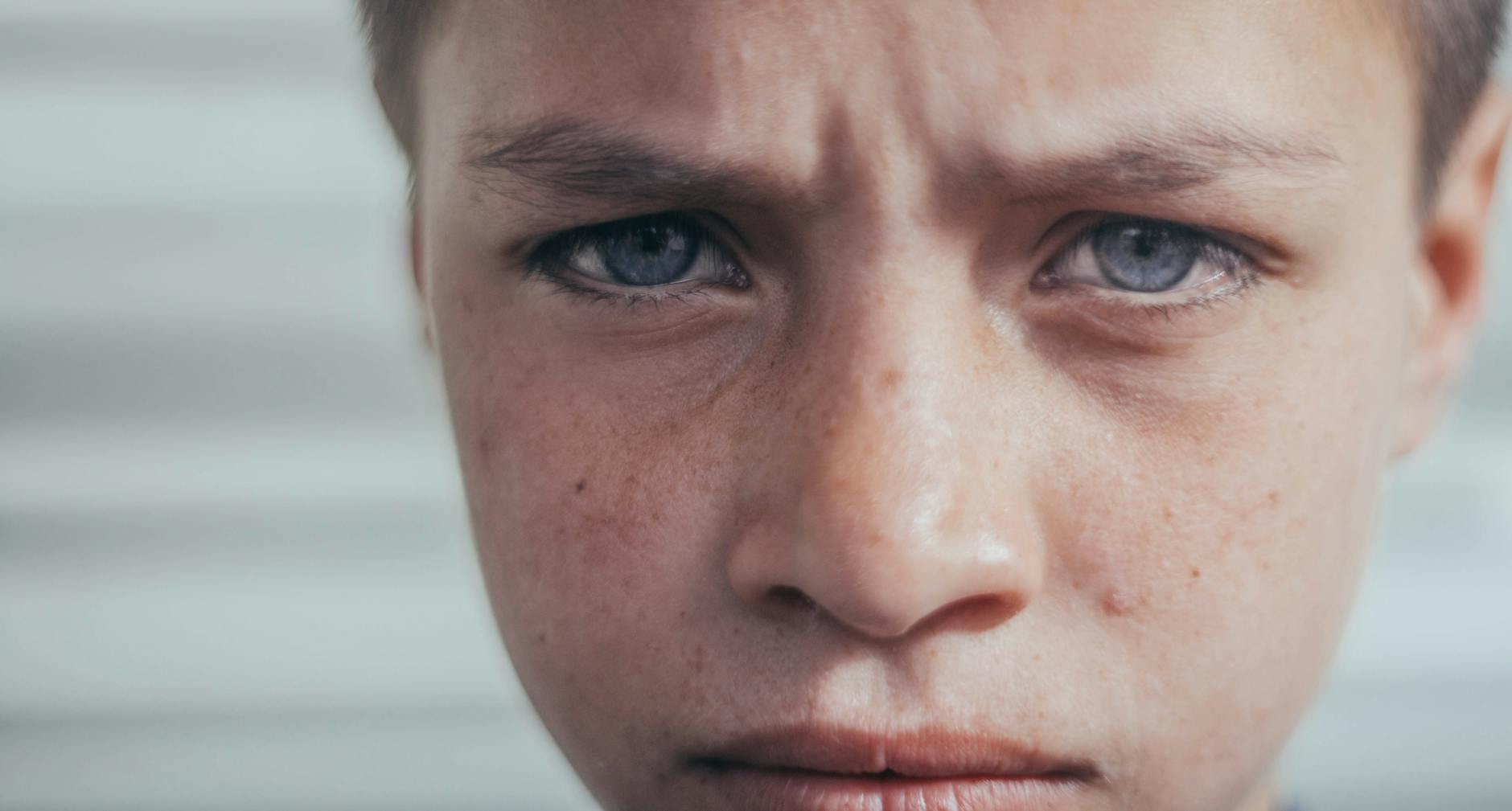
You are not alone…
Do you ever feel that certain emotions or behaviours come from a younger, hurt place deep inside you? Perhaps you experience anxiety in new situations, struggle with relationships, or carry a sadness you can’t quite explain. If you find yourself grappling with emotional or behavioural struggles that don’t seem to “match” your current life, it may be that your inner child is wounded. In other words, past childhood trauma or unmet needs could still be echoing inside you today. You’re not alone in feeling this way – and with compassion and the right support, healing is possible.
Inner Child Healing is a transformative process aimed at addressing unresolved emotions, traumas, and beliefs rooted in childhood experiences. Often, the Inner Child wounds manifest in subtle yet impactful ways, signalling the need for healing. Recognizing these signs is the first step toward reclaiming your authentic self and achieving emotional freedom.
Emotional Signs
Our emotions are the most direct channel to our inner child. A wounded inner child often makes itself known through intense or painful feelings.
1. Intense and Unexplained Emotional Outbursts: Do you sometimes overreact with excessive anger, sadness, or panic in situations that don’t warrant such strong feelings? These unexplained emotional outbursts – like bursting into tears over minor criticisms or feeling rage at small inconveniences – can be rooted in childhood hurt. Your inner child may still be responding to old pain, causing adult emotions that feel overwhelming or out of proportion. Intense reactions to minor triggers, such as excessive anger, sadness, or frustration. Feeling overwhelmed by emotions that seem disproportionate to the situation.
2. Persistent Guilt or Shame: You might carry a deep sense of “I’m not good enough” or deserving of happiness or constant guilt, even when you’ve done nothing wrong. This looks like apologising constantly and having difficulty forgiving yourself for past mistakes, even minor ones. Feeling responsible for others’ feelings or believing you are somehow “bad” or unworthy. Such toxic shame often originates in childhood experiences where you were criticised, blamed, or made to feel inadequate. Or if you want to hide a part of your or a part of your family’s story. For example, toxic shaming or comparison by parents – “You made a mistake vs you are stupid! You failed vs you are a failure” “Look at your brother, he is so good at studies!”. Your wounded inner child learned to believe self-blaming stories that now fuel low self-worth.
3. Fear of Abandonment and Rejection: A common emotional sign of inner child wounds is an intense anxiety about being abandoned. You may live with a constant underlying fear that people you love will leave you or reject you. Difficulty trusting others or feeling secure, even in stable relationships. For example, you might feel anxious or even hurt if a friend doesn’t reply right away or worry your partner will stop loving you for small mistakes. This fear can stem from childhood trauma such as a parent leaving, inconsistent caregivers, or emotional neglect, leaving your inner child terrified of being alone.
4. Emotional Numbness or Detachment: You might feel numb or disconnected on the opposite end of outbursts. Many wounded inner children learned it wasn’t safe to express feelings, so as adults, they shut down emotionally. Do you often feel empty, unable to cry, or “blocked” from joy and sorrow? Workaholism and Overachieving, in a way to avoid feelings. Can’t feel emotional connection or joy, Feel unfilled in any experience, thus want more and more, addicted to external pleasure, from workaholism to Extra-Marital affairs.
This emotional numbness is a protective response – by avoiding feeling anything, you avoid the pain. While it protected you as a child, it now makes it hard to fully experience life’s pleasures or connect deeply with others. Avoidance of emotional experiences due to fear of pain or vulnerability. Difficulty expressing emotions or connecting deeply with others.
5. Excessive People-Pleasing: Prioritizing others’ needs over your own, often at the expense of personal boundaries. Seeking validation through approval from others.
6. Mood Swings and Inconsistent Emotions: You could find your mood changing rapidly without clear reason – happy one moment, upset or anxious the next. These mood swings happen when old triggers poke at unresolved childhood emotions just under the surface. Small daily stresses might send you into a tailspin of sadness or irritability. Swinging between Emotional Outbursts, Impulsiveness, Hyperactivity, Social isolation, Numbness, and Callousness, and that too rapidly. It can be confusing to feel such ups and downs. This emotional instability is your inner child’s unresolved feelings rising up; it signals that there are past hurts in need of gentle attention.
7. Underlying Sadness or Depression: Many adults with a wounded inner child carry a quiet, persistent sadness. You might describe it as a hole in the heart, or an emptiness that lingers even when life is going well. This can manifest as mild depression, frequent tearfulness, or feeling that something is missing. Often, it’s the grief of the child within who felt unloved or alone. Until we acknowledge and comfort that inner child, the sorrow can quietly permeate our emotional life.
8. Low Self-esteem, confidence, trust issues, Self-critical, negative self-talk, Self-hate and Self-harm. Fear of external disapproval or rejection, Constantly seeking external approval. Lack of self-care. Low Self-confidence, lack of recognition, money issues, self-sabotage or self-destructive behaviour, self-harm. Stuck in fulfilling parents’ dreams and unfulfilling careers, not able to have a vision for one’s life.
9. Fear of Authority figures and conflicts with authority. Powerlessness
10. Lack of focus or concentration, Functional Brain-Freeze, Slow memory, lack of career direction, procrastination, low performance and indecisiveness, Over-thinking, General disorientation
11. Anger Issues: Aggressive, Passive, passive-aggressive behaviour, Submissive or fearful nature, high-strung or over-cautious personality, Explosive or irrational anger over minor triggers or irritability. Conflicts at work or relationships. Infantile behaviour or Peter Pan syndrome
Psychological Signs
Psychological signs are inner thought patterns and beliefs that hint at childhood wounds. A wounded inner child doesn’t just influence how you feel – it also shapes how you think about yourself and the world.
• Negative Self-Talk and Inner Critic: Do you have a harsh inner voice always putting you down? Replaying critical messages or judgments from caregivers in your mind. Perhaps you call yourself names, or you’re never satisfied with your achievements. This constant self-criticism often echoes the messages you received in childhood (like strict or critical parenting). Your inner child might have learned “I am not good enough” or “I’m unlovable”, and now that belief plays on repeat in your mind. This inner critic is essentially a scared child trying to avoid further hurt by pre-emptively judging itself.
• Limiting Core Beliefs: A wounded Inner child, even as an adult often feels trapped in deep-seated beliefs instilled during childhood. Feelings that you’re unworthy of love, success, or happiness. These, in turn, severely limit them in adult life. For instance, you might believe ““I’ll never be enough”, The world is not safe,” “People will hurt me,” or “I will always be abandoned.” These are not facts, but they feel very real due to childhood experiences. If you notice extreme or black-and-white beliefs about yourself or life (e.g., “I’ll never succeed,” “No one can be trusted”), it’s a sign those beliefs were formed by a young part of you trying to make sense of trauma. Healing can help replace these with healthier, truer beliefs.
• Overthinking and Constant Worry: Your mind may be always on high alert. Perhaps you replay conversations wondering what you did wrong, or you obsess over worst-case scenarios in everyday situations. Difficulty making decisions due to fear of making the wrong choice. Obsessing over past mistakes or future uncertainties. This kind of chronic anxiety and overthinking is a psychological sign of unresolved childhood stress. A child who grew up in chaos or unpredictability learns to scan for danger constantly. Now your adult brain might struggle to relax, stuck in worry mode as if the threat is still present. This can lead to indecisiveness, perfectionism, or analysis paralysis because your inner child fears making a “wrong” move.
• Low Self-Esteem and Identity Struggles: Do you secretly feel flawed, unworthy, or “not enough” as an adult? A wounded inner child often manifests as low self-esteem, imposter syndrome, or confusion about one’s identity. You might have trouble knowing who you really are or what you truly want, because you spent your childhood adapting to others’ expectations. Feeling inadequate as a man or woman, or feeling you have to “be someone else” to be accepted, are psychological remnants of not having your true self honored in childhood. Inner Child Therapy focuses on rebuilding a healthy sense of self-worth rooted in love and acceptance.
• Trust Issues and Hypervigilance: Many people with inner child wounds find it extremely hard to trust – both trusting other people and trusting themselves. You might always expect betrayal or rejection, even from those who’ve given you no reason to doubt them. Or you second-guess your own decisions constantly. This can come from early life experiences where trust was broken (like a caregiver who was unpredictable or hurtful). As an adult, your subconscious remains on guard. You may be hypervigilant, always watching for signs of anger or disapproval in others, which is mentally exhausting.
• Dissociation or “Spacing Out”: Another psychological sign is a tendency to mentally “check out” in stressful or emotional moments. You might have memory gaps about your childhood, or find that when you feel overwhelmed, your mind goes numb or you feel unreal, as if you’re watching yourself from outside. This dissociative coping mechanism often begins in childhood trauma – it was the mind’s way to escape unbearable situations. If you notice you sometimes detach from reality or feel very disoriented under stress, it may be your inner child’s method of coping with pain that hasn’t been fully resolved.
Behavioral Signs
Wounded inner child signs also show up in our behaviors and habits – the actions we take (or avoid) in daily life. These behaviors often developed as coping mechanisms for a hurt child and persist into adulthood. Do any of these sound familiar?
• Excessive People-Pleasing: You may have a hard time saying “no” and a strong drive to make others happy, even at your own expense. If you routinely put everyone else’s needs first, it could be your inner child afraid of conflict or rejection. As a child, you might have learned that being “good” and low-maintenance was the only way to earn love or stay safe. Now, this turns into people-pleasing behavior – taking on too much, avoiding asserting yourself, and basing your self-worth on others’ approval.
• Conflict Avoidance: Do you go to great lengths to avoid disagreements or confrontations? Perhaps you stay quiet when you’re upset or agree with things you don’t truly believe, just to keep the peace. Fear of confrontation, leading to passive or submissive behaviours in relationships. Suppressing your voice to maintain peace, even when it harms you. A wounded inner child often fears anger and conflict because it associates them with childhood danger (like a volatile parent or fighting in the home). As an adult, you might shut down your voice to avoid even mild conflicts. While keeping peace can be good, constantly avoiding healthy conflict can lead to resentment and your needs never being met.
• Perfectionism and Overachievement: On the surface, being high-achieving or detail-oriented can seem positive. But if you notice that you must be perfect or you tie your worth to your accomplishments, this is a behaviour rooted in that Inner child’s need to feel worthy of appreciation and gain approval. Setting unrealistically high standards for yourself might slowly drive you to exhaustion at work or in school, always chasing the next goal. Mistakes feel catastrophic, and you harshly punish or criticise yourself for any failure or unmet expectations. Deep down, your inner child may believe achieving more will finally win the love or validation they lacked in childhood. The cost, however, is chronic stress and never feeling “good enough” no matter how much you do.
• Procrastination and Self-Sabotage: On the flip side of perfectionism, you might find yourself unable to start or finish tasks that matter to you. Perhaps you delay pursuing a big dream, or you quit projects as soon as you encounter difficulty. Self-sabotaging behaviours like procrastination, sudden loss of motivation, or inexplicable failures can indicate an inner child afraid of either failure or success. Making choices that undermine your success or repeating negative patterns. Feeling stuck in a cycle of failure despite wanting change.For example, if, as a child, you were criticised whenever you tried your best, a part of you might now avoid trying at all to protect yourself from disappointment.
• Addictive or Numbing Behaviors: Many wounded inner children seek comfort or escape through addictions or compulsive habits. Using substances, food, work, or other distractions to numb emotions or escape pain. Reliance on external comforts to cope with inner turmoil. This could be substance abuse (alcohol, drugs), overeating, excessive gaming or social media use, shopping sprees, or even workaholism. You might notice you use these behaviours to numb difficult emotions or fill an internal void. For instance, turning to food or alcohol when sad, or immersing in work to avoid feelings. These coping behaviours often start as a way for the hurt child within to soothe pain or distraction from trauma. Over time, they become unhealthy routines that actually prevent you from healing the underlying hurt. Compulsive Behaviours, OCD, Body figure issues (Body Dysmorphia), Anorexia, Bulimia.
• Risky or Rebellious Behavior: Some people express their inner child wounds in outward rebellion. Were you labelled a “rebel”, or do you find you act out in risky ways or Self-destructive behaviours – driving or behaving recklessly, multiple broken relationships, promiscuity, sex addiction, substance addictions, breaking the rules?. Fears around sex, gender or genitalia. This can be a sign, too. A wounded inner child might have felt controlled or oppressed growing up, so as an adult, you swing to the other extreme – seeking freedom without limits. While it can feel thrilling or empowering in the short term, it may actually be your hurt inner self crying out for attention or testing if anyone cares enough to stop you. It’s another way unhealed pain can drive behaviour.
• Lack of Playfulness (Being Excessively Serious) or Parentification: Maybe you’ve noticed that you struggle to relax and have fun. You might feel uncomfortable being silly, spontaneous, or doing things “just for play.” This lack of playfulness is often seen in overly responsible and overly high-functional adults. This often happens when children are forced to grow up too fast (perhaps due to taking care of siblings or dealing with an addicted parent). Your inner child never got to truly play, so now, as an adult, you might feel guilty or unable to be carefree. Being overly serious, overly responsible, or a “workaholic” can be a trauma response – a way to feel in control when childhood felt out of control. Deep down, though, your inner child craves play and joy, and healing will help you rediscover those lighthearted moments.
Relational Signs
Our early experiences shape how we relate to others in profound ways. If your inner child is wounded, you likely see patterns in your relationships that reflect those old scars.
Difficulty Setting Boundaries: Do you find it hard to say no, set limits, or assert your needs with others? You are often overextending yourself to avoid disappointing others? Weak boundaries are a hallmark of inner child wounds and often lead to resentment or burnout. You might let people take advantage of your kindness or overstep your comfort zone because you fear that setting boundaries will make them stop loving you. As a child, you perhaps weren’t allowed to have boundaries – maybe your privacy was not respected or you were taught that your voice didn’t matter. Now your inner child still believes “I have to go along with what others want.” The result is often feeling resentful, exhausted (burnout), or even abused in relationships because your needs consistently get ignored.
• Codependent or Toxic Relationships: Wounded inner children often unconsciously recreate their childhood dynamics with partners and friends. You might notice you’re drawn to emotionally unavailable, neglectful, critical, or even abusive partners and experiences – almost as if you’re dating a version of a hurtful parent. Ultimately, we only attract the same psychological woundedness that we have not healed yet. We settle for the level of self-love we practice in daily life. Alternatively, you might become the caretaker in relationships, always trying to “fix” or save the other person. These patterns, like repeatedly ending up with narcissistic partners or in one-sided friendships, recreating childhood rejection, abandonment or abuse, are not coincidences. They’re your inner child’s way of trying to resolve the original trauma by reliving it, hoping for a better outcome. Unfortunately, this repeated “Re-victimization” in relationships just keeps you stuck in pain until the cycle is broken through emotional healing.
• Fear of Abandonment (Clinginess or Avoidance): We mentioned fear of abandonment as an emotional sign; relationally, it often shows up as either clinginess or avoidance in relationships. You can be over-dependent on relationships, as you fear being alone or single for extended periods, as you are seeking validation, comfort, or identity solely through relationships. You might become very clingy, needing constant reassurance that your loved one isn’t leaving – perhaps you get jealous easily or panic if your partner needs space. On the other hand, you might avoid deep relationships altogether, keeping people at arm’s length (“I’ll leave them before they leave me” mentality). Both are two sides of the same coin: an inner child terrified of being abandoned or hurt. This fear can strain or sabotage relationships if not addressed because it can make love feel unsafe.
• Difficulty Trusting Others: Trust issues aren’t just internal; they directly impact relationships. If your inner child’s trust was betrayed, you may struggle to fully trust friends, partners, even mentors or colleagues. You might constantly suspect others have bad intentions, or find it nearly impossible to be vulnerable. For example, you may refuse to rely on anyone or hesitate to share your feelings, fearing it will backfire. This lack of trust is a shield your inner child wields after being let down in the past. While it’s understandable, it can leave you isolated. Healing those original betrayals can gradually allow you to trust and feel supported again.
• High Reactivity in Conflicts: How you handle disagreements can also reveal inner child wounds. Do you overreactduring arguments – maybe yelling, crying, or shutting down in silence at the slightest criticism? Conflict might send you right back to being that scolded little kid, and you respond not as an adult, but from a place of hurt and fear. You might have trouble staying calm or communicating rationally when you feel upset. This reactivity is often fueled by the childhood fear of rejection or punishment coming up in the present. On the flip side, you might become extremely passive in conflict (as mentioned earlier, conflict avoidance) which also stems from childhood fear. Both extremes show that your inner child is in the driver’s seat when relational tension arises. Overreacting during disagreements, is often rooted in childhood fears of rejection or punishment. Difficulty staying calm or rational during conflicts.
• Isolation and Withdrawal: Lastly, some wounded inner children cope by pulling away from others entirely. If you find yourself consistently isolating – avoiding friendships, not dating, or cutting people off as soon as things get emotionally intimate – it could be a protective strategy. This could also show up as emotional withdrawal from relationships, being unemotional or distant in relationships, coupled with workaholism and multiple affairs. Your inner child might believe “it’s safer to be alone.” While solitude is healthy in balance, long-term isolation due to fear of being hurt indicates an inner wound. Humans need connection, and a part of you surely longs for it. If you notice this pattern, it’s a sign that inner child healing is needed to help you feel safe connecting with people who care about you.
Physical Signs
It might surprise you, but emotional wounds from childhood can manifest in physical ways too. The mind, body, and spirit are deeply connected. When your inner child carries unhealed trauma, sometimes your body will carry the stress.
• Chronic Stress and Anxiety Symptoms: Living in a state of constant tension – even when nothing obviously stressful is happening – can be a holdover from childhood trauma. If you frequently feel “on edge,” even in non-stressful situations with a racing heartbeat, tight muscles, or a knotted stomach, that’s your body’s fight-or-flight response stuck in gear. Children who grew up in unsafe or unpredictable environments often develop hypervigilance (always being prepared for danger). As an adult, this translates into chronic anxiety and stress symptoms that don’t switch off. Post Traumatic Stress Disorder (PTSD) and C-PTSD symptoms include hypervigilance, Panic attacks, Depression, Suicidal thoughts, Nightmares, and Insomnia. You might get headaches, trembling, an upset digestive system, stomachache or dizziness triggered by minor events because, internally, your body still expects the worst.
• Unexplained Aches, Pains, or Fatigue: Do you suffer from mysterious aches and pains that doctors can’t find a cause for? Or do you often feel exhausted no matter how much you rest? You have physical ailments that seem unrelated to medical causes. Our bodies sometimes store emotional pain as physical pain. Conditions like Chronic aches and pains, fibromyalgia, chronic fatigue, muscle tension, any other physical pains, and general body aches can flare when we carry a heavy load of stress or suppressed emotions. A wounded inner child may manifest as shoulder/back pain (from carrying tension), frequent stomach aches (from anxiety), or constant fatigue because fighting those inner battles is draining. While it’s important to rule out medical issues, recognise that suppressed childhood wounds can take a physical toll on your health.
• Sleep Disturbances & Nightmares: Night time can be when the subconscious speaks loudest. Adults with unhealed childhood trauma might experience insomnia (trouble falling or staying asleep), restless sleep, or recurring nightmares. You might have bad dreams of being chased, lost, or back in your childhood home. Even if you don’t recall dreams, you may wake up in panic for no obvious reason. These disturbances show that your inner child’s fears are still active in your psyche. Sleep is when we should feel safest and most relaxed; if instead, it’s when fear strikes, it’s a sign those early fears haven’t been fully resolved yet.
• Health Issues Triggered by Stress: Over time, living with an unhealed inner child that is suppressed emotions can contribute to health problems. High levels of stress hormones from constant anxiety can weaken your immune system, upset your digestion, and even contribute to conditions like hypertension, ulcers, Autoimmune disorders, Gut-related issues – Constipation or irritable bowel syndrome (IBS), Skin-related issues, Bone-related issues, Addictions, Depression, Obesity, Eating disorders etc. You might notice you get sick often, or stress causes flare-ups of aches, skin rashes, or other issues. While not every illness is caused by trauma, there’s a well-documented link between healing childhood trauma and improved physical health. As you heal emotionally, sometimes you see headaches lessen, sleep improve, and overall energy return because your body is no longer in perpetual “fight or flight” mode.
• Changes in Appetite or Weight: Another subtle physical sign is how you eat and manage your body. A wounded inner child might lead to emotional eating (using food for comfort, leading to weight gain or cycles of binge eating) or the opposite, loss of appetite and weight loss when feeling emotionally upset. You might notice patterns like late-night snacking when anxious, or fluctuating weight that correlates with your emotional state. These are ways the body copes or expresses inner pain. Similarly, some people develop eating disorders or body image issues rooted in childhood control or self-worth issues. Treat these symptoms with compassion – they are signals that your inner child is hurting and needs gentle care, not judgment.
• Understand the Emotional Root of Diseases: Read more
Spiritual Signs
1. Feeling Disconnected from Your Authentic Self: A sense of emptiness or lack of purpose. Struggling to connect with your inner desires, dreams, or passions.
2. Repetitive Patterns in Life: Encountering the same challenges or relationship issues repeatedly. Feeling as though life is trying to teach you a lesson you can’t seem to learn.
Benefits of Healing Your Wounded Inner Child
Reading through these signs might feel heavy – but there is real hope. The beautiful truth is that with the right support, you can heal your wounded inner child and experience profound positive changes. At InnerJourneys.life, we take a holistic and spiritual approach to inner child healing, addressing mind, body, and spirit in the process. This means that as you heal emotionally and psychologically, you often see improvements in your relationships, your physical well-being, and your overall sense of self. Here are some of the life-changing benefits of inner child healing:
• Emotional Freedom and Stability: As you heal, those intense outbursts, lingering sadness, and anxieties begin to soften. You learn healthy ways to process feelings, so you’re no longer controlled by past triggers. Imagine feeling lighter, more balanced, and able to experience the full range of emotions – from joy to sadness – without feeling overwhelmed. Inner child healing helps release the old pain you’ve been carrying, bringing a sense of emotional freedom and relief.
• Healthier Relationships and Boundaries: Healing your inner child transforms how you relate to others. You’ll start to set healthy boundaries naturally, because you’ll believe in your own worth. Instead of reenacting old toxic patterns, you’ll attract and choose healthier, more supportive relationships. Existing relationships often improve too – as you become more secure and authentic, you may communicate better and form deeper connections. That fear of abandonment or need to people-please slowly gives way to mutual respect and love.
• Improved Self-Esteem and Self-Compassion: One of the greatest gifts of this work is developing a loving relationship with yourself. Through inner child therapy, you’ll begin to silence the harsh inner critic and replace it with a gentle, encouraging voice. The belief “I am not enough” transforms into “I am worthy and deserving of love.” With time, you’ll notice more confidence in who you are. You’ll celebrate your strengths, forgive your flaws, and treat yourself with the same kindness you might offer to a beloved friend. This healthy self-esteem creates a solid foundation for all areas of life.
• Breaking Negative Cycles: Inner child healing allows you to break free from destructive patterns that have followed you for years. The cycles of sabotaging yourself, getting into the same arguments, or feeling the same despair can finally end. By addressing the root causes (the childhood wounds), you stop merely dealing with symptoms and truly heal the source. Many people find this work not only frees them, but also breaks generational cycles – meaning you won’t pass the same pain onto your children or loved ones. You become the positive change, healing the “family karma” or generational trauma by ending the cycle with you.
• Inner Peace and Spiritual Growth: Our approach at InnerJourneys is holistic, incorporating spiritual wisdom with therapeutic techniques. As you reconnect with your inner child, you’re also reconnecting with your inner spirit or higher self. Many clients describe a newfound sense of inner peace, as if they’ve finally “come home” to themselves. You may experience spiritual growth – feeling more connected to your intuition, experiencing moments of synchronicity or clarity, and developing a deeper understanding of your life’s journey. Healing that little one inside brings a profound wholeness; you feel aligned with yourself, both human and soul.
• Better Physical Well-Being: Healing emotional wounds can have wonderful side benefits for the body. Reducing that constant stress and tension can improve sleep, boost your immunity, and even alleviate some chronic pain or fatigue. As you let go of old fear and anger, your body no longer needs to manifest them as illness. Many people find they have more energy, improved concentration, and generally feel healthier once their inner child isn’t carrying all that stress alone. It’s like setting down a heavy backpack you didn’t realize you were lugging around – your entire being feels lighter.
“It really helped me reconnect with my inner child… I found a lot of answers and now see life from a new perspective. Loved it!”
– Joy Chakraborty, Inner Child Healing workshop participant 🌟
Healing your inner child is a journey, and like any journey, it begins with a single, loving step. If any of the signs of a wounded inner child resonated with you, know that there is support and hope available. You do not have to carry these wounds alone. In fact, reaching out for help is an act of courage and self-love – it’s you saying to that little child within, “I am here for you now.”
Next Step
Healing the wounded inner child within you is one of the greatest gifts you can give yourself. It’s a process of turning toward your pain with love, and in doing so, transforming it. Remember, no matter how hurt or lost that little part of you feels, it is never too late to offer it comfort and care. With patience, support, and self-compassion, you can integrate your past and step into a brighter, more authentic future.
You deserve to feel whole, joyful, and at peace. If you’re reading this, consider it a gentle nudge from the universe – an invitation to start your inner healing journey. Whether you reach out for a one-on-one inner child therapy session or join our workshop, we at InnerJourneys are here to walk beside you every step of the way. Take that step when you’re ready, and remember: the healing you seek is within your reach. You are worthy of the love and healing you long for.
You can choose from:
One-on-One Inner Child Healing Sessions: Work directly with our healers in a safe, one-on-one setting. In these private sessions, we’ll help you gently uncover and heal childhood trauma at your own pace. Through techniques like guided inner child meditations, hypnotherapy, and energy healing, you’ll learn to re-parent your inner child and meet the needs that were once neglected. Each session is tailored to your unique journey, providing deep support and personalized care. You can book a one-on-one Inner Child Healing session with us when you feel ready – we’re here to support you on this path. Read here
• Inner Child and Shadow Work Workshop: For those who prefer a group healing experience, our workshop offers a nurturing community setting. This immersive workshop is an opportunity to heal alongside others on a similar journey, guided by experienced facilitators (the InnerJourneys team). Over the course of the workshop, you’ll engage in reflective exercises, guided visualizations, and sharing (only as much as you’re comfortable) that help bring your inner child and shadow aspects to light. It’s a supportive, gentle space to experience breakthroughs and learn practical tools for ongoing healing. We welcome you to enroll in our Inner Child and Shadow Work Workshop – a powerful step toward reclaiming your inner light. Read here
Book a session today:
WhatsApp: Abhishek: +919810206293; Priyanka: +919594280000
(Read more about our facilitators here )
Working hours: 11 am – 7 pm IST
Fee: Rs 7000 per session
Duration: 1 1/2 – 2 hours
Location: Online over Zoom app Or at our Centres in Gurgaon, Navi Mumbai Or Bhopal, India
Contact us today to begin your journey toward self-discovery and integration. Together, let’s bring your Shadow into the light.
Case Examples
Case 1: Chronic People-Pleasing
Jane, a 35-year-old professional, found herself constantly overcommitting to work and personal obligations. She traced her behavior back to childhood, where she felt she needed to earn her parents’ approval through achievements. Through Inner Child Healing, Jane learned to set boundaries and prioritize her needs.
Case 2: Fear of Abandonment
Mark, a 28-year-old man, avoided serious relationships out of fear of being left, stemming from his father’s absence during his childhood. By addressing his inner child’s unmet need for stability, Mark built healthier, more secure relationships.
Most of our behavioural problems and triggers have origins in memories of early childhood, even teenage. Here’s a quick checklist for Signs of Childhood Trauma, Abuse, Abandonment, or Neglect are Inner Child Issues in Adults
Case Study 3: Emotional numbness:
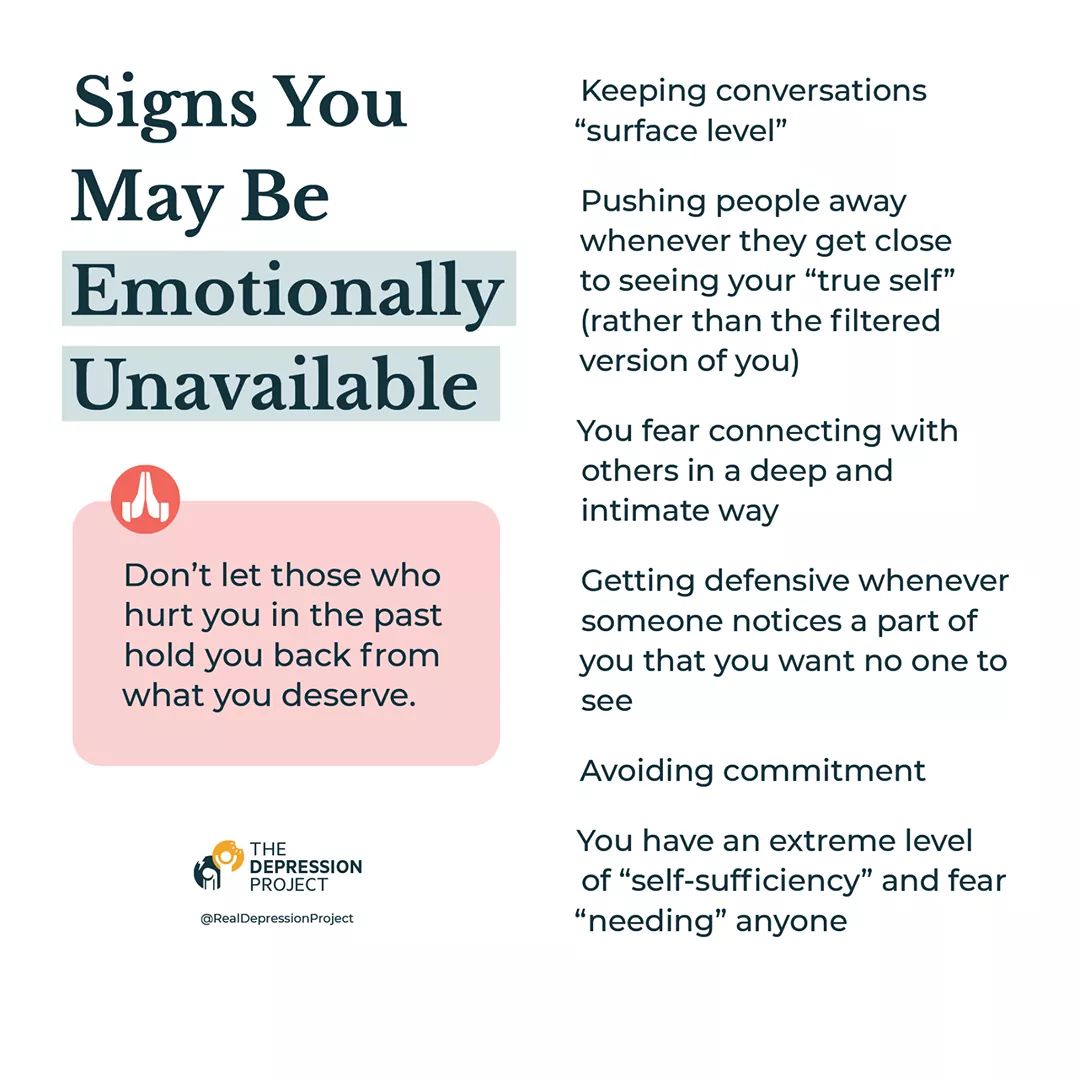
When the home environment is unsafe for a child to express feelings, they become quiet. Or if the trauma and chaos are too much to handle for a child’s mind, they check out mentally or numb emotionally in short – dissociation. It is a survival mechanism, but you can’t have a good relationship with this. When a person shuts down emotionally, they can have an excellent external life, but in time, they can become a workaholic or an addict as an escape mechanism. Often, people in bad jobs or dull careers feel taking good vacations is enough to compensate for days spent in misery at work.
Sources of Childhood Trauma
Childhood Trauma: Emotional, physical and sexual abuse, absent parent — physically or emotionally. Alcoholism, Addiction or Mental Illness, Financial Stress.
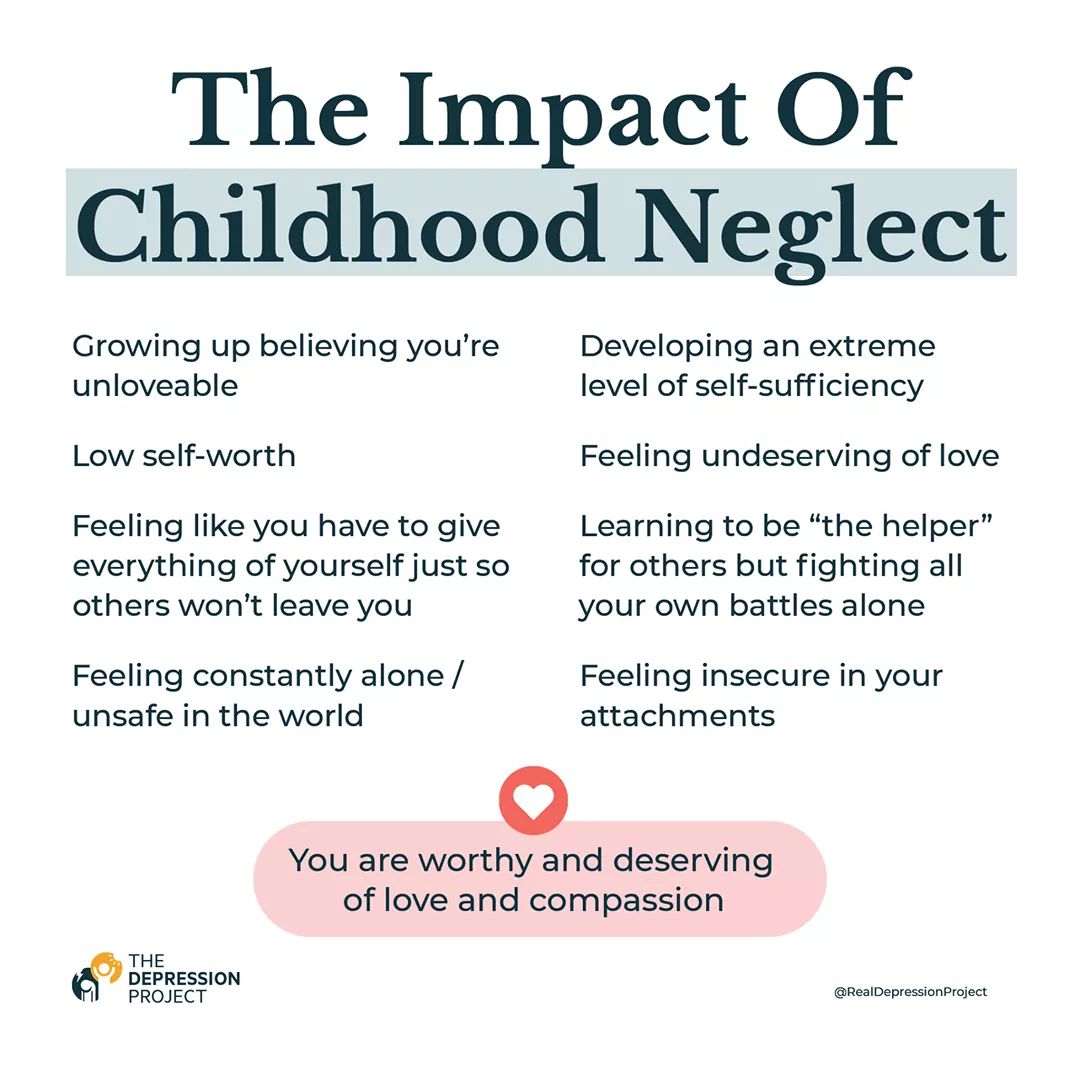
Parental Abuse: Neglect, Dominating, Controlling parenting in the name of discipline and protectiveness. Manipulative, Dismissive or Belittling parents. – “You are such a good girl, you listen to everything Daddy says!”
Narcissist parents: Using children for their emotional needs, Oversharing, Boosting their own low-esteem, Enmeshed – Emotional Incest; Playing victim, Guilt tripping, Shaming and Gaslighting – “You are too sensitive,” “You are too needy!” “You are lucky to have parents like us.” and yes, comparison, the classical manipulation tool, which is supposed to inspire a child. Vanity parents who only give performance-based love create workaholic adults.
Childhood Sexual Abuse & Incest: Survivors of Childhood Sexual Abuse (CSA) or Incest have added burden to clear, plus shame, guilt and impotent rage. Read more here.
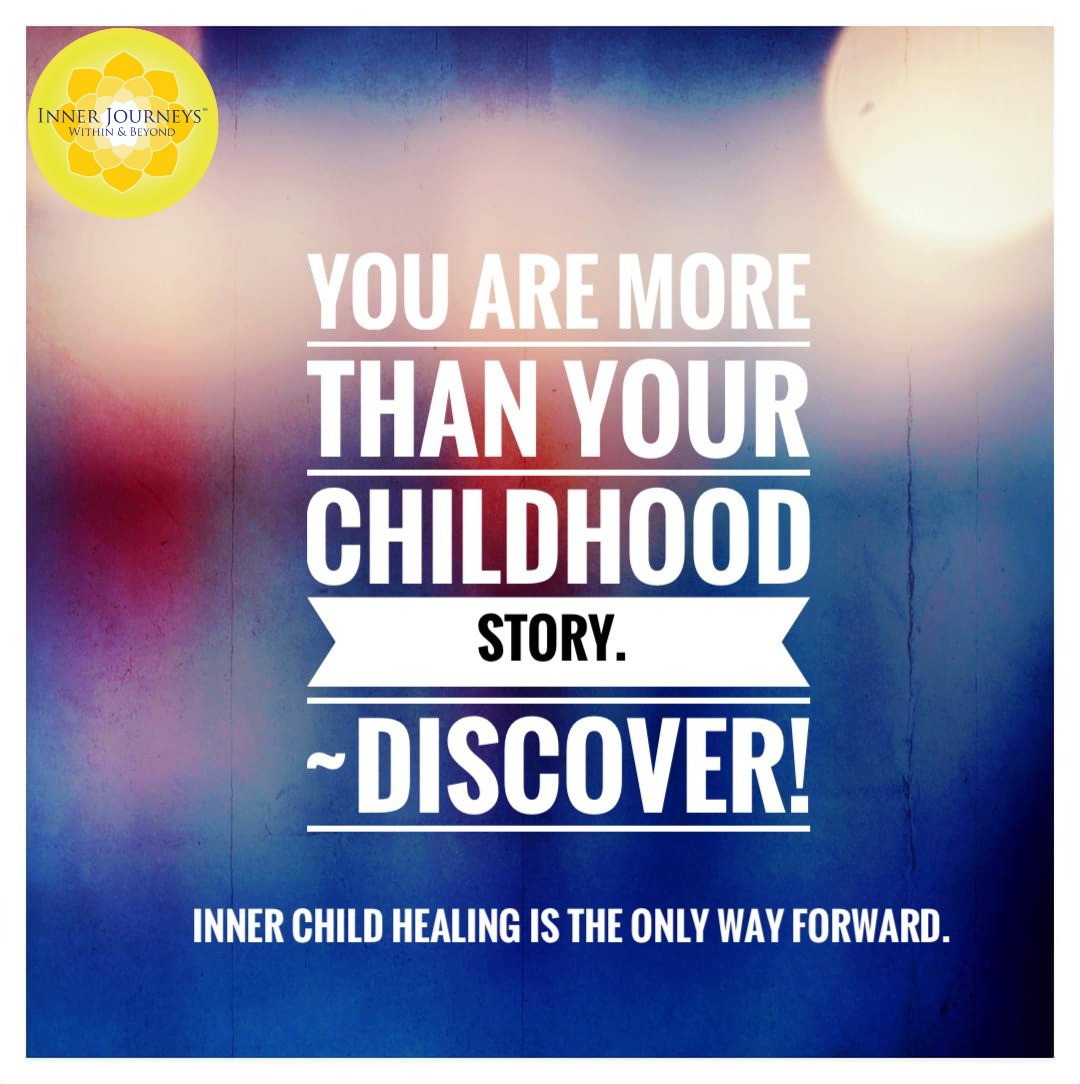
Inner Child Healing: An unhealed inner child makes us feel Anxious, Afraid, Insecure, Inferior, Small, Lost, Lonely and unloved. Though healing is possible. Those needs not fulfilled by our imperfect parents or caretakers need to be examined and analysed.
We just can’t ‘get over‘ our past traumas, sadness, disappointments, and depression cannot be changed and must be accepted. Authentic adulthood requires both accepting the painful past and the primary responsibility for taking care of that inner child’s needs.
To acknowledge, accept, and take responsibility for our feelings and choices, loving and re-parenting our Inner child. This means providing discipline, limits, boundaries and structure, along with support, nurturance, acceptance, and, indeed, unconditional love.
When we are hurt, we often hope that time will heal everything. But if you have ever been hurt, you would know time doesn’t heal a wound. Unattended, it stays there and festers and contaminates — the rest of your life. You have got to do the healing work — the only way out of the pain is through it. — Denial NEVER works, nor does numbing out. Why? Because the body stores the pain we don’t release. Many of us may feel we can fix our minds and our past on our own, be it with a self-help book or a meditation retreat. But soon enough, we realise we need a helping hand to guide us through this minefield littered with past memories, their ghosts and their dysfunctions.
Your pain matters, and so does your journey. Every wound needs care, and if don’t, who else would? You can start healing even decades later — yes, it is never too late to heal. Even death disclosures heal so many. Isn’t it? Read more
What is your ACE score?
Adverse Childhood Experiences (ACE)can have long-term negative impacts on health, opportunity and well-being.
Watch a TED talk on Adverse Childhood Experiences.
Find your ACE Score: Click here.
Do you have a Father Wound & Mother Wound? : Read more.
Understand Emotional Maturity: Not feeling anything isn’t strength, it is emotional blindness. Read more
Start your Healing Journey Today!
Share your issues in detail so we can guide you better. info@innerjourneys.life (innerjourneys11@gmail.com) Also, send a brief profile and a simple photograph.
If you rather want a Consultation Appointment: Click here.
As always, your information is kept confidential.
Graphic courtesy of Depression Project, and images from Pexels.com
 Inner Journeys