
Trauma can be described as a deeply distressing or disturbing experience that overwhelms a person’s ability to cope, often leaving emotional and psychological scars. Trauma is complex and can take different forms based on the nature, timing, and duration of the experience. Three main types of traumas are:
1. Acute Trauma: This kind of trauma is usually triggered by a single, intense event, like a car accident, natural disaster, or assault.
• Effects: People who experience acute trauma often feel high levels of anxiety, have flashbacks, or feel overly on-edge, even when there’s no actual danger. Some may become emotionally numb, as if cut off from their feelings. If unprocessed, acute trauma can evolve into post-traumatic stress disorder (PTSD).
• Treatment Options: Hypnotherapy: In a relaxed state, hypnotherapy can allow people to revisit traumatic memories with less anxiety, making it easier to process and release the fear linked to those experiences.
2. Developmental Trauma: Developmental trauma is usually rooted in childhood and comes from long-term adverse experiences, such as neglect, inconsistent caregiving, or emotional abuse. This kind of trauma can deeply shape one’s sense of self, relationships, and outlook on life.
• Effects: Developmental trauma can create challenges with trust, self-esteem, and managing emotions. Adults who have developmental trauma may struggle with:
• Trusting others or forming healthy relationships
• Low self-worth and self-confidence
• Difficulty handling emotions and impulses
• Greater risk of developing mental health issues like anxiety or depression
• Treatment Options: Hypnotherapy with Inner Child Healing: Hypnotherapy can help individuals reconnect with younger versions of themselves, offering comfort, love, and healing to the parts of them that felt neglected or hurt. This can be deeply empowering and transformative.
3. Complex Trauma (C-PTSD): Complex trauma often develops from long-term exposure to repetitive trauma, especially within relationships, such as enduring an abusive relationship or growing up in a chaotic home. When trauma comes from someone we rely on, the effects can run particularly deep.
• Effects: Complex trauma can lead to symptoms similar to PTSD, but with added challenges such as:
• Chronic hypervigilance (always feeling “on guard”)
• Emotional numbness or feeling disconnected from oneself
• Low self-esteem, shame, or guilt
• Difficulties in maintaining relationships
“Understanding what happened doesn’t make trauma go away!”
-Bessel van der Kolk
Treatment Options: Due to its deep-rooted nature, complex trauma often requires ongoing support and specific therapies:
• Ego-State Therapy in Hypnotherapy: In hypnotherapy, this technique focuses on the “parts” of the self created by trauma, allowing individuals to integrate these parts into a stronger sense of self.
• Eye Movement Desensitization and Reprocessing (EMDR) with Hypnotherapy: By combining memory recall with eye movements, EMDR helps reduce the emotional intensity of traumatic memories.
• Trauma-Informed Hypnotherapy: This approach provides a safe way to process painful memories at a deeper level, helping to build resilience and self-worth.
Why Trauma Affects Us So Deeply
Biological and Psychological Reasons
1. Nervous System Dysregulation: Trauma can leave our nervous system stuck in a heightened state of alert (fight-or-flight) or shutdown (freeze). This dysregulation makes it hard to feel relaxed or safe.
2. Memory Storage and the Amygdala: Trauma often gets stored as fragmented, vivid memories that can be triggered unexpectedly. Hypnotherapy can help people revisit these memories in a way that’s less overwhelming, allowing them to be “filed” away more calmly.
3. Early Childhood Vulnerabilities: Early trauma can shape our brain’s development, affecting our ability to manage emotions and build secure relationships. As we grow, these patterns can continue, impacting our view of ourselves and the world.
Effects of Trauma in Daily Life
1. Emotional Impact: Trauma can lead to intense feelings of sadness, shame, guilt, or anger. Developmental and complex trauma, in particular, can make it hard to handle emotions.
2. Cognitive Impact: Trauma changes how we see ourselves and others, often leading to negative self-beliefs, poor concentration, and intrusive memories.
3. Physical Symptoms: Trauma doesn’t just live in the mind; it can show up in the body as headaches, muscle tension, or other chronic health issues.
4. Relationship and Behavior Patterns: Trauma can make it challenging to trust or open up to others, sometimes leading to self-isolation or unhealthy relationship patterns.
What Fear and Anxiety Does to You?
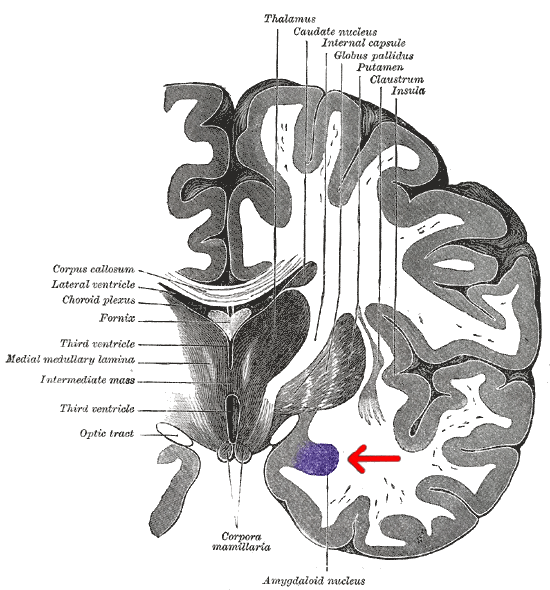
Today, Neuroscience research informs us that Fear centre in the Brain of all primates is the Amygdala. It in fact comprises of two almond-shaped clusters of neurons, which are part of our limbic system, which amongst many other things, manages our long-term memory, behavioural and emotional responses. In short, it is home to our emotional life and our Autonomic Nervous System (ANS). The primary role of Amygdala is processing of memory, decision making, and emotional responses, like fear, anxiety, and aggression. From here comes our Flight-or-Fight responses, as we prepare to respond to a danger, actual or perceived. It is a part of our Sympathetic Nervous system. When it is activate via hormones and neuro transmitters, our heart rate jumps, muscles get activated and pumped up to ready for action!
But when all the adrenaline and other hormones are not put into action, when there is suppression or inaction, it would feel as anxiety. Low grade anxiety is when we about to prepare for an event or test. this can be generalised anxiety or social anxiety. But when it is too for our nervous system to handle, this can be mentally or physically paralyzing as there is an overload – the Freeze response. This can lead to a panic attack, the freezing of brain, nervous system and muscles, and other PTSD/C-PTSD symptoms like Cognitive Dissonance, Triggers, Rationalization and Confirmation bias.
When the event has passed that is when the brain releases a neuro transmitter called GABA. It calms the mind, by soothing or slowing down the communication between neuro receptors and nervous system slows down. Back to homeostasis!
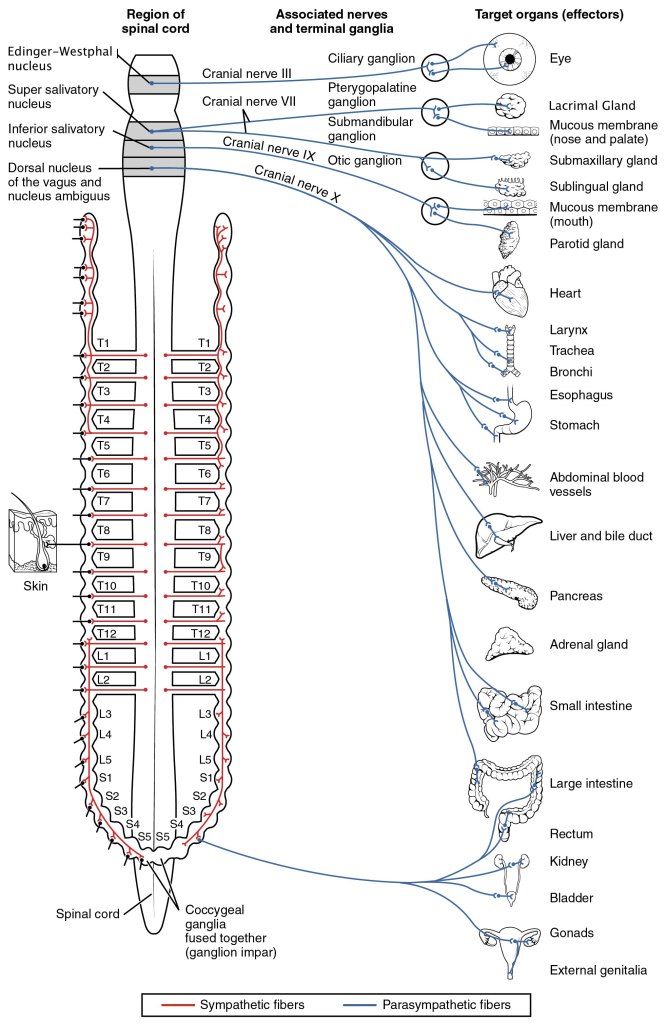
This Parasymathetic Nervous System comprises of 4 cranial nerves and the vagus nerve which infact makes up about 75% overall, connecting to your heart, lungs and other vital internal organs.
-GABA reduces communication between brain cells and thus acts like a depressant or downer. But sometimes, the system is unable to reset and come back to normal – homeostasis! Prolonged exposure to stress and fear in a war zone or a chaotic /abusive household. This further leads to maladaptive, or dysfunctional behaviours, taken in survival mode. But then how to get out of it? What detox tools and self-soothing resources we can build on for a lasting effect. Hypnotherapy is one such valuable tool. It combines Breathwork, Somatic Release and Subconscious Healing Work, amongst other tools.
Hypnotherapy creates an induced state of both mental and physical relaxation, which can recalibrate the nervous system gradually. Bringing it to a state of ease from a state of hyper-vigilance and aggravation. It is possible to heal by calming the nerves regularly. We can retrain and restore our brain, nervous system and mind to a state of greater ease and, yes, peace.
–For deeper work in dealing with our complex or dysfunctional sub personalities and inner conflicts, Hypnotherapy offers tools like Parts Therapy, Inner Child Healing and Shadow Work.
“You cannot think your way out of trauma.”
Latest Evidence-Based Approaches to Trauma Recovery
1. Hypnotherapy Techniques for Trauma
• Age Regression Therapy: Allows individuals to revisit difficult childhood memories and find healing, reducing the emotional burden of painful experiences. Read more
• Parts Therapy: Helps to bring together different parts of the self that hold traumatic memories, encouraging a stronger, unified sense of self. Read more
• Trauma Desensitization Hypnosis: Lets clients revisit painful memories safely, reducing their power over them.
• Future Pacing: Allows individuals to visualize themselves handling difficult situations with confidence, building resilience for real-life encounters.
2. Integrated Eye Movement Therapy (IEMT): It combines eye movement with elements of cognitive therapy to address emotional distress and trauma. Using guided eye movements while recalling traumatic memories, allows people to process these memories in a new way, reducing their emotional charge. Read more
3. Somatic Release Therapy: It involves focusing on body sensations to release stored trauma, helping to ease physical symptoms like muscle tension and digestive problems. Read more
Know more about Childhood Sexual Abuse & Incest Recovery: Read here
If you want to undertake the Trauma Recovery work in a peaceful locale, join our Trauma- Recovery Retreats: Read here
Scientific Research in Hypnotherapy – Read more
Free Cover photo credit: Pexels.com
 Inner Journeys