
Ready for TRANCEFORMATION?
Hypnotherapy, a therapeutic approach that utilizes hypnosis to induce a relaxed and focused state of mind, has shown significant benefits in the treatment of various mental disorders. From anxiety and depression to phobias and post-traumatic stress disorder (PTSD), hypnotherapy offers valuable therapeutic interventions that can complement traditional treatment approaches and enhance overall well-being.
The scientific evidence supports the use of hypnotherapy as an adjunctive treatment option that complements traditional approaches, providing individuals with additional tools for managing symptoms and improving overall well-being. As further research continues to explore the efficacy and mechanisms of hypnotherapy, it holds great potential for expanding treatment options and enhancing treatment outcomes and improve overall well-being for individuals with mental disorders.
Before we go ahead, have a look at some amazing benefits of Hypnotherapy : Read more
What is Hypnosis?
Hypnosis is a state of focused attention and heightened suggestibility, often induced by a trained professional called a hypnotist or hypnotherapist. In this altered state of consciousness, individuals may experience increased responsiveness to suggestions, allowing them to access and explore their subconscious mind.
Hypnosis is commonly used for therapeutic purposes, such as managing pain, overcoming fears, or breaking unwanted habits. It’s important to note that hypnosis is a cooperative and collaborative process, and individuals cannot be forced to do anything against their will while under hypnosis. Your mind, especially the Subconscious Mind, is always in charge, contrary to what you might have seen on stage hypnosis, street hypnosis, TV or films.
How does Hypnotherapy Work?
Hypnosis can be seen as a state of deep inner absorption, concentration and focused attention. Going into a trance is easy to learn, much like a guided meditation. All hypnosis is but Self Hypnosis, the therapist only guides you into a state of focussed and relaxation.
We all come with some imprints orsanskaar from past lives embedded in our Unconscious mind, which explains our irrational beliefs and phobias. Beyond that, every behaviour is a learnt behaviour through association and repetition. When practised long enough and regularly, behaviour can become a habit – a neural pathway. Good or bad, habits are cultivated, consciously or subconsciously, like language and life skills, we learn by mimicking or responding to our early caregivers or life environment. Knowing the crucial aspect, we can unlearn any behaviour.
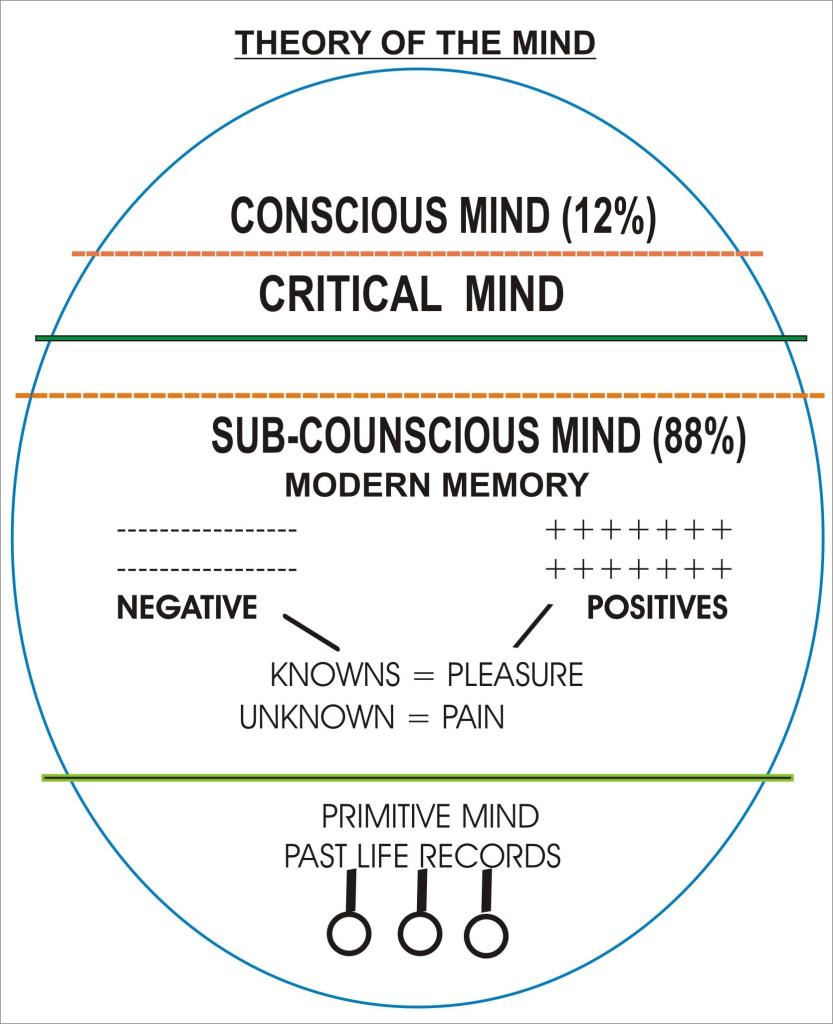
Hypnotherapy bypasses the Critical Mind, also known as the Critical Filter, and gently speaks to the Subconscious, where real change happens. In this deeply relaxed state, the mind becomes more open and suggestible. This is where we can:
Diminish cravings and reinforce inner strength during addiction recovery
Reprocess Trauma without re-triggering it
Release fears, phobias, or guilt from painful events
Create new patterns that support healthier choices
Break habits and compulsions by replacing their emotional roots
In Hypnotherapy, we recall or access the origin memory or First Sensitizing Event (FSE), and work with it under the state of hypnosis, employing various healing techniques. For dysfunctional behaviour issues, we seek the origin of the behaviour in the current lifetime, mostly childhood experiences and heal it, reframe and reprogram i,t etc.
We can also train our subconscious mind to practice certain positive and healthy behaviours and social skills. Remember the general advice of practising a new skill or an affirmation for 21 days? Developing new skills like neural pathways takes time through neuroplasticity. Hypnotherapy uses the power of mental rehearsal, positive suggestion, and emotional reframing to create these new circuits—helping you shift from being stuck in old pain or habits to stepping into a calmer, healthier version of yourself.
Does Hypnosis also Occur Naturally?
Yes. When we are watching a movie, television, playing a video game or reading a novel conjuring up mental images as we read along. Also, when we are driving on a familiar road, we drift into thinking or daydreaming. The driving is taken care of by the subconscious mind, and we feel as if we are on autopilot. Often when we come out of this trance, car honks, we feel a jolt or suddenly realise, Where have I reached?
Since it is a familiar state, getting back to it won’t be difficult, would it? If you are fascinated by something. Thus, we can learn how to go into a hypnosis, with a little bit of help and training. Provided we are willing to let go, the mind is fresh and alert. A tired or stressed mind often goes into sleep rather than hypnosis.
“All hypnosis is Self-hypnosis.”
A hypnotist or hypnotherapist can only guide us; we take ourselves into hypnosis by trusting and taking ourselves deeper. So you either go into hypnosis directly or swiftly, as most people play along without much analysis or need for explanation. They just want to get better. Or you might feel yourself resisting going into hypnosis like a child resisting not going to sleep at night, as you will lose control. Don’t help or fight, just allow what is about to happen, whatever your Subconscious tells you. So if you continue this fight or reject the Hypnotherapist’s instructions, in that case, the third thing will happen – nothing! Suggesting that your Subconscious is not ready. If you are not ready, you are not. What can you do?
Hypnosis is a collaborative journey and not a passive or passive-aggressive one. In case the therapist finds you uncollaborative, they can end the session the right way.

It is good to practice simple meditation, breathing or relaxation exercises for week-ten days prior to a better success rate. Also, to watch your dreams and sudden insight, usuall,y the subconscious mind starts becoming aware that healing is on its way. It gives us clues and directions regarding the healing journey ahead. Listen, take notice.
Yes, not everybody goes into trance, over analytical, sceptical, intellectual or fearful usually block themselves. Nobody can take you into your Interior Castle, as St. Teresa of Avila would put it, if you are unwilling to drop your logic and reasoning and walk across the drawbridge to your soul, deep within us. Do us a favour, if you are sceptical, take your time to educate yourself about hypnosis and hypnotherapy, before calling us. Many good case studies and scientific research are now available online – you will find them. It will save you your money and us our time.
Key Benefits of Hypnotherapy
Hypnotherapy is psychotherapy done under hypnosis, when we are hyper-suggestible -open to suggestions. With access to the subconscious mind, we can then use an array of therapeutic tools to deal with a wide range of issues. It is a state where you bypass the critical filter of the mind and directly access the Subconscious. Thus, we can not only heal and soothe it but also reprogram and retrain it.
Access to the Subconscious opens doors for using an array of therapeutic tools to deal with a wide range of issues:
- Stress and Anger Management: Hypnotherapy can be utilized to help individuals manage and release anger in a constructive and healthy way. It focuses on identifying triggers, developing coping strategies, and promoting emotional regulation and assertive communication. Progressive Relaxation: This method systematically relaxes the muscles and reduces stress. A study by Hammond (2010) found that hypnotherapy significantly reduces stress levels and improves emotional regulation by altering neural pathways. Clients experience reduced cortisol levels and a sense of calm.
Read More - Pain Management Hypnotherapy: Hypnosis can be utilised for pain management by helping individuals relax, shift their perception of pain, and promote the body’s natural healing response. It can be effective for chronic pain, acute pain, and pain associated with medical procedures. Analgesia Hypnosis for Chronic Pain: Hypnotherapy alters the brain’s perception of pain through hypnotic suggestions. A meta-analysis by Jensen et al. (2016) found hypnotherapy effective in reducing pain intensity across conditions such as fibromyalgia, migraines, and arthritis. Patients undergoing cancer treatment reported enhanced pain tolerance and reduced need for opioids. Read more
- Hypnoanalysis: Hypnoanalysis is the most commonly used Hypnotherapy technique that involves using hypnosis to explore, understand and resolve the root causes of emotional or psychological issues. It focuses on uncovering and resolving underlying unconscious conflicts or traumas that contribute to the presenting problem.
- Hypno-Imagery: Hypno-Imagery involves utilising guided imagery and visualisation techniques during hypnosis to stimulate the senses and create vivid mental imagery. It can be used to enhance relaxation, promote positive emotional states, and tap into the power of the imagination for therapeutic purposes.
- Self-Hypnosis Training: Self-Hypnosis Training involves teaching individuals to induce a hypnotic state on their own. This empowers them to use self-hypnosis techniques for relaxation, stress reduction, behaviour change, and personal development.
- Self-Esteem and Confidence Building: Hypnotherapy can be used to enhance self-esteem and build confidence by working with the subconscious mind to reframe negative self-beliefs, develop a positive self-image, and promote self-empowerment. Improving Self-confidence, Self-esteem, and Better Communication
- Overcoming Compulsive Thoughts and Behaviours (OCD) – Intrusive Thoughts
- Hypnotherapy for Allergies and Sensitivities: Hypnosis can be employed to alleviate symptoms associated with allergies and sensitivities by working with the mind-body connection and reducing the body’s exaggerated response to specific triggers
- Gut-Directed Hypnotherapy (GDH) for Irritable Bowel Syndrome (IBS) : This technique focuses on calming the enteric nervous system and improving gut function. A study by Whorwell et al. (2006) found that 70% of IBS patients achieved significant symptom relief through hypnotherapy. Clients reported reduced abdominal pain, bloating, and improved digestive function. Read more
- Hypnotherapy for Students: Better Exam Preparation and Overcoming Test Anxiety: Hypnotherapy can be employed to help individuals prepare for exams, improve focus, and manage test anxiety. It aims to enhance memory retention, boost confidence, and promote a calm and focused state of mind during exams. Read more
- Performance Enhancement: Hypnotherapy techniques can be employed to enhance performance in various areas, such as sports, public speaking, artistic endeavours, or academic pursuits. It can help individuals overcome performance anxiety, boost focus, and tap into their full potential. Performance Anxiety: Stage fright or Public Speaking fears, etc
- Sports Performance Enhancement (Sports Hypnosis): Sports Performance Hypnosis is utilised to enhance athletic performance by accessing the subconscious mind to improve focus, confidence, motivation, and overall mental and physical performance. Read more
- Regression Therapy: Regression Therapy involves using hypnosis to guide individuals back in time to explore past events or memories that may be influencing their current thoughts, emotions, or behaviours. It aims to uncover unresolved issues, release emotional blockages, and promote healing and personal growth.
- Inner Child Healing: Inner Child Healing focuses on connecting with and healing the wounded inner child. It involves using hypnosis to access and address past experiences and emotions from childhood that may be impacting one’s present life. By nurturing and healing the inner child, individuals can promote self-love, emotional healing, and personal growth. Read more
-
Grief Relief and Emotional Healing: Hypnotherapy with the Kubler-Ross Model: It facilitates emotional processing by aligning with the stages of grief. Thompson et al. (2014) found hypnotherapy effective in helping individuals process loss and develop emotional resilience. Individuals move through grief more smoothly and with greater acceptance. Read more
-
Ego-Strengthening Hypnosis: This technique strengthens positive beliefs and builds resilience. Studies by Baker & Nash (2008) showed that hypnotherapy increases self-esteem and confidence by restructuring limiting beliefs. Clients report improved self-image, greater confidence in personal relationships, and career success.
- Addiction Control: Aversion Hypnosis and Ego-Strengthening Techniques: Hypnotherapy addresses the psychological roots of addictive behaviours. Elkins & Rajab (2004) found that hypnotherapy enhanced recovery from smoking addiction by 36% compared to control groups. Patients reported improved control over cravings and sustained behavioural change. Read more
- Emotional Release Techniques: Emotional Release Techniques involve using hypnosis to facilitate the release of suppressed or repressed emotions. It aims to help individuals express and process their emotions in a safe and therapeutic way, leading to emotional healing and increased well-being.
- Timeline Therapy: Timeline Therapy involves utilising hypnosis to access an individual’s timeline of past, present, and future experiences. It allows individuals to reframe past events, release negative emotions associated with them, and create a positive vision for the future.
- Somatic Release Therapy: Releasing stored in the physical body through Mind-Body Integration Techniques: Mind-Body Integration techniques combine hypnosis with body-centred approaches, such as somatic experiencing or body awareness exercises. These techniques aim to facilitate the integration of mind and body, promote self-awareness, and support holistic healing and well-being. Read more
- Sleep Hypnosis: Sleep Hypnosis involves utilising hypnosis techniques to help individuals achieve a relaxed and peaceful state conducive to sleep. It can be beneficial for individuals struggling with insomnia, sleep disorders, or difficulty falling asleep by promoting relaxation, reducing anxiety, and establishing healthy sleep patterns. It aims to help individuals achieve restful sleep and improve overall sleep quality.
- Dream Therapy or Hypno-Analysis of Dreams: Hypno-Analysis of Dreams involves using hypnosis to explore and analyse the symbolic content of dreams. It aims to uncover unconscious patterns, conflicts, and insights that can contribute to personal growth and self-understanding. Read more
- Future Pacing: Regression to Future Progression is a technique that involves using hypnosis to explore and experience potential future outcomes and scenarios. It can help individuals gain clarity, envision goals, and create a positive vision for their future.
-
Cognitive Behavioural Hypnotherapy (CBH): CBH addresses negative thought patterns while inducing a deeply relaxed state. A study by Bryant et al. (2012) found that hypnosis combined with CBT led to a 70% reduction in phobia-related anxiety.
Clients report greater ease in facing previously anxiety-provoking situations, such as public speaking or flying.
- Parts Therapy: Parts Reintegration Therapy, also known as Ego State Therapy, is a technique that focuses on identifying and integrating fragmented parts of the self. It involves working with dissociated aspects of the personality, such as inner child parts or protective parts, to promote healing, wholeness, and self-integration. Parts Integration is a technique that aims to integrate conflicting parts of the self. It involves accessing and communicating with different parts or aspects of the subconscious mind to facilitate understanding, resolution, and harmony.
- Hypnotherapy for Phobias and Anxiety Disorders: It can be effective in treating phobias and anxiety disorders by helping individuals desensitise to fear triggers, reframe limiting beliefs, and develop relaxation techniques. It aims to promote a sense of calm, confidence, and control in anxiety-provoking situations. Helps in Anxiety, Nervousness, Panic attacks, and Overcoming Self-Harm
- Hypnotherapy for Trauma Recovery: Hypnotherapy can be a valuable tool in trauma resolution by facilitating access to traumatic memories, reducing the emotional intensity associated with them, and supporting the healing process. Techniques such as EMDR (Eye Movement Desensitisation and Reprocessing) can be integrated with hypnosis for trauma-focused work. Read more
- Hypnotherapy for Weight Management: Hypnosis can be utilized to support weight management goals by addressing the underlying emotional and behavioural factors associated with eating habits. It focuses on promoting mindful eating, healthy lifestyle changes, and a positive body image.
- Hypnotherapy for Smoking Cessation: Hypnosis can be used to support individuals in quitting smoking by addressing the subconscious motivations, habits, and cravings associated with smoking. It aims to reframe beliefs, promote motivation for change, and strengthen commitment to a smoke-free lifestyle. Habit Control – Nail Biting, Stammering, Tardiness & Substance Abuse
- Hypnotherapy for Relationship Issues: Hypnotherapy techniques can be used to address relationship issues by exploring subconscious patterns, enhancing communication skills, and promoting understanding and empathy. It aims to support healthy relationships and resolve conflicts. Relationship Healing – Understanding why couples trigger each other, and how to go beyond it; power tussle between introverts and extroverts.
- Hypnotherapy for Sexual Dysfunctions
- Child Hypnosis: Bed wetting, Nightmares
- Inner Conflicts Resolution, Healing Self-Sabotage and Shadow Side – Parts Therapy.
- Life Transformation Therapy: Access the power of Subconsious Mind to rapidly transform, shift and enhance your life.
Today, due to rapid evolution in the field of Hypnotherapy, we have several proven techniques available: Inner Child Healing, Shadow Work, Subconscious Reprogramming and Re-Imprinting. Tools like Emotional & Mental Detox, Subconscious Dialoguing, Healing with the Subconscious Mind, Organ Dialoguing, Inner Child Healing, Age Regression, Past Life regression, Parts Therapy for Inner Conflict Resolution, Relaxation techniques, Self-Hypnosis, Dream Therapy, and much more.
Read more:
Need help or healing?
If you believe in Hypnotherapy and Spiritual Healing, we are here to help you.
To book a session, WhatsApp or SMS:
Abhishek: +919810206293
Priyanka: +919594280000
Working hours: 11 am – 7 pm IST (Read more about our facilitators: here )
Fee: INR 8000 per session
Timing: 3 pm – 5 pm IST, Monday to Saturday. Subject to availability. So please book at least a week in advance. Alternate Timing Options: 7- 9 pm IST/ 6:30-8:30 pm IST (for North & South America and EU residents only)
Sessions are done fortnightly or monthly in most cases.
Write to us about your issues in detail, so we can guide you better. info@innerjourneys.life (innerjourneys11@gmail.com)
Also, send in a brief profile and a simple photograph.
Hypnotherapy works in all areas of our lives. These can be mainly divided into:
- Physical: These are diseases that are manifest in the
- Emotional: These usually manifest as a relationship
- Mental: Like fears and phobias, or obsessive-compulsive
- Spiritual: Examples are extreme likes or dislikes of religious
Physical:
- Pain (Unresolved) of all kinds: Neck, Back, Legs, Feet, Knees, Spine, Abdomen
- Birthmarks
- Asthma
- Breathing problems
- Headaches
- Migraines
- Chronic Indigestion, IBS
- Allergies
- Chronic Chest Colds
- Numbness in Legs and Feet
- Motion Sickness
- Muscle Spasms
Emotional/ Relationship:
- Need for Relationships/Family/Children/ Attention
- Infertility
- Loneliness – Self-isolation or emotional fortressing
- Depression
- Driving Boyfriends / Girlfriends Away – Intimacy Resistance
- Hyperactivity
- Career Indecision
Mental/Behavioural:
- Loss of Sight/Voice/Smell
- Fears of all kinds: Fire/Animals/ Snakes/Intimacy/Water/ Heights/Death/ Losing Someone,
Open Spaces (Agoraphobia), Closed Spaces (Claustrophobia) - Hypochondria
- Obsessive/Compulsive behaviour
- Sense of Responsibility
- Compulsive Overeating
- Aversion to Cotton, Quilts, etc.
Preparing for Your First Session
Be relaxed, have a light meal, and make sure you have had a good night’s sleep. A fatigued mind doesn’t go into a hypnotic trance but rather falls into a restful sleep. That is why we avoid post-work sessions, as the mind slows down after a long day’s work.
By practising, this meditation you can easily train your mind to go into hypnosis.
 Inner Journeys