At Inner Journeys, we view spirituality as something to be experienced and lived—not merely studied or believed.
Throughout India’s spiritual heritage, realised masters have shown that authentic spiritual wisdom transforms the way we think, relate, work and live. Although each expressed this truth in a unique way, they shared a common conviction: spiritual growth is not an escape from life but a deeper way of living it. Their teachings continue to offer timeless guidance for anyone seeking greater clarity, inner freedom, purpose and connection with the Divine.
Sri Ramakrishna: God-Realisation as the Purpose of Life
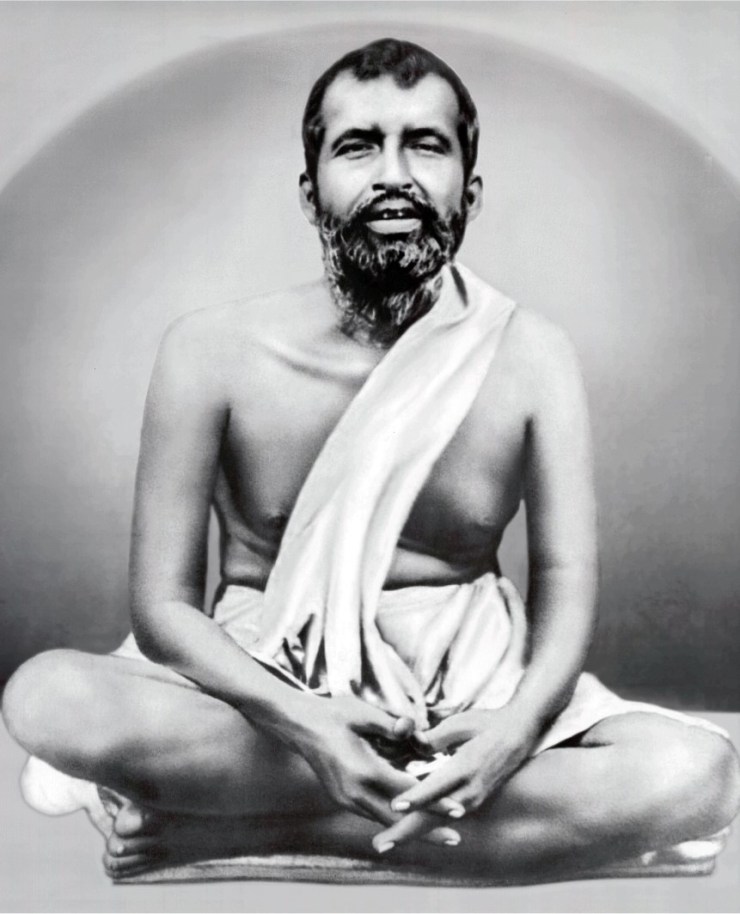
At the heart of Sri Ramakrishna’s teaching was a direct and uncompromising truth: the purpose of human life is God-realisation. Religion was not merely belief, ritual, scholarship or philosophical debate. It had to culminate in the direct experience of the Divine. He repeatedly emphasised bhakti, sincere prayer, japa, meditation and an intense yearning for God. Just as worldly people long for wealth, relationships and success, the spiritual seeker must learn to long for God with the whole heart.
Sri Ramakrishna taught that householders could also realise God without abandoning their legitimate duties. His advice was practical: live in the world, fulfil your responsibilities, but keep the mind anchored in God. He recommended satsangor holy company, periodic solitude, prayer, discrimination between the eternal and the temporary, and gradual freedom from excessive worldly attachment. In his well-known instruction, one could perform worldly duties with one hand while holding on to God with the other.
His teaching on the harmony of religions did not arise from intellectual tolerance alone. Sri Ramakrishna personally undertook the disciplines of different spiritual paths and declared, on the basis of experience, that sincere paths could lead to the same Divine Reality. At the same time, he advised the seeker to follow one chosen path with steadiness and depth rather than constantly moving from one path to another. He accepted God with form and without form, the personal Divine and the impersonal Brahman, while his own life remained deeply rooted in devotion to the Divine Mother.
Swami Vivekananda: Pratical Vedanta in Action
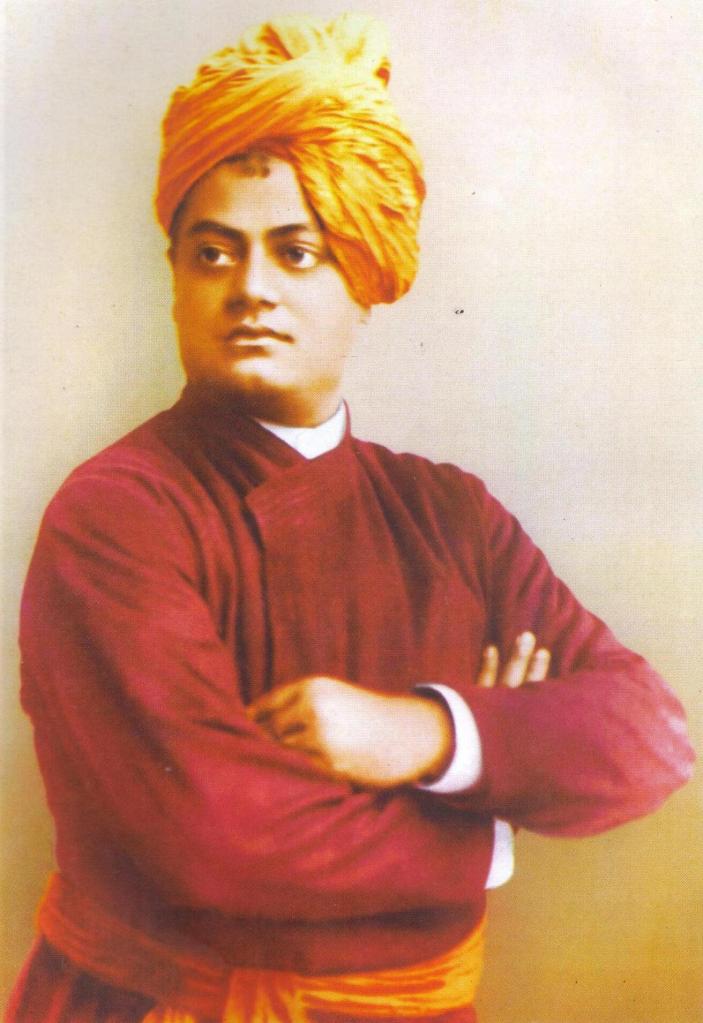
Swami Vivekananda taught that each soul is potentially divine. The purpose of life is to manifest this inner divinity through Karma Yoga, Bhakti Yoga, Raja Yoga, Jnana Yoga, or a combination of these paths.
His Practical Vedanta brought the truths of the Upanishads into ordinary life. Spirituality could not remain confined to temples, scriptures or meditation. It had to enter our character, work, relationships, education and service.
Vivekananda emphasised strength, fearlessness, purity, self-discipline and faith in the Self. Weakness arises when we identify only with the body, personality and limitations of the surface mind. Vedanta reminds us that our deepest nature is the Atman—pure, free and Divine.
Practical Vedanta means acting fully while remaining inwardly calm and unattached. The setting of the Bhagavad Gita itself reflects this ideal: Krishna teaches Arjuna not in isolation, but in the midst of duty and crisis.
Vivekananda also taught that the same Divine Reality exists in every being. Service to another person is therefore not merely charity, but worship of the Divine present in that person. Spiritual realisation must express itself through courage, compassion, responsibility and service to the Living God.
Swami Rama Tirtha: Living from the Infinite Self
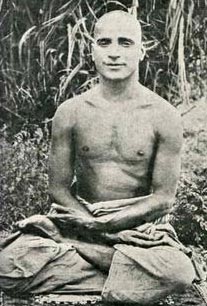
Swami Rama Tirtha taught that suffering begins when we mistake the body, personality, possessions and social identity for the whole of who we are. Our true nature is the Infinite Self, the same Divine Consciousness present throughout existence. Fear, insecurity, jealousy and attachment arise from forgetting our true nature. In reality, we are the Infinite Self—the same Divine Consciousness present in all existence.To realise, “Aham Brahasmi” is not to glorify the personal ego. It is to dissolve the narrow identity that says, “I am only this limited individual.” His affirmations of the Infinite Self and his chanting of Om expressed the Vedantic recognition of unity between the Atman and the Supreme Reality.
For him, Self-realisation was not an escape from the world but the foundation for living with freedom and joy. True renunciation does not mean abandoning work or relationships; it means letting go of ego, possessiveness and anxiety about outcomes. When action flows from inner freedom rather than personal insecurity, work itself becomes joyful, purposeful and sacred.
Swami Rama Tirtha taught that Vedanta must be lived, not merely quoted. His Practical Vedanta was joyful, expansive and deeply experiential. Its purpose was to free the individual from fear, limitation and identification with the little ego. Love for him, was also the practical recognition of oneness. As our identity expands beyond the little self, service becomes natural and love becomes universal. Practical Vedanta means living with joy, courage, freedom and awareness of the Infinite within all.
Sri Aurobindo: The Evolution of Consciousness
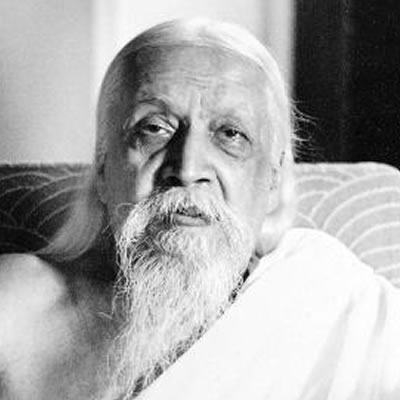
Sri Aurobindo’s Integral Yoga, or Purna Yoga, teaches that spirituality is not only about liberation from the world. Its deeper aim is the transformation of human nature and the manifestation of Divine Consciousness in life.
Integral Yoga includes every part of the being: mind, emotions, vital nature, body, work and relationships. Nothing essential is simply rejected as unspiritual. Every part must gradually be purified, opened and transformed.
Sri Aurobindo’s statement “All life is Yoga” means that every aspect of life can become part of conscious sadhana. Work, relationships, difficulties, creativity and emotional reactions can all become opportunities for self-observation, consecration and transformation.
The practice of Integral Yoga is often described through three movements: aspiration, rejection and surrender. Aspiration is the sincere call towards the Divine. Rejection is the refusal of movements arising from ego, desire and falsehood. Surrender is the progressive offering of the being to the Divine Shakti.
A central concept in Sri Aurobindo’s teaching is the psychic being, the evolving soul within. When the psychic being comes forward, it guides the personality towards truth, sincerity, devotion and harmony.
Sri Aurobindo also described a triple transformation: psychic, spiritual and supramental. Humanity, in his vision, is still evolving. The human mind is not the final possibility of consciousness. Integral Yoga therefore seeks not merely personal peace, but participation in the wider evolution of consciousness and the possibility of a Divine Life on earth.
Anandamayi Ma: Living in the Presence of the Divine
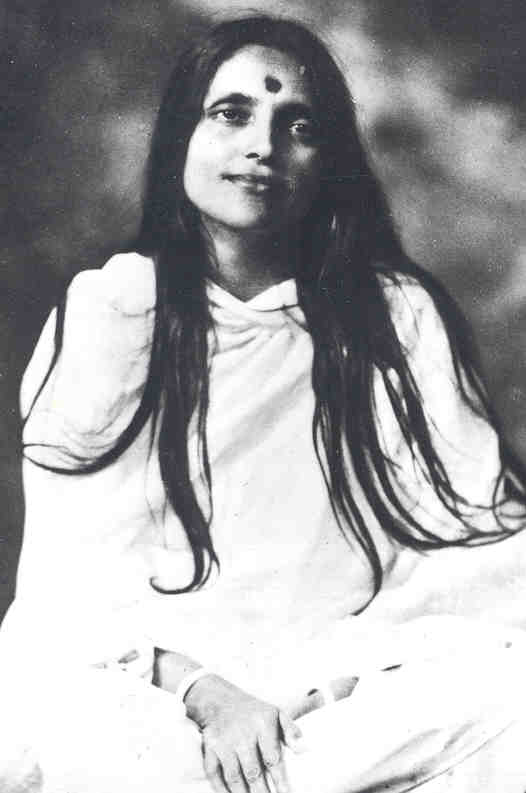
Anandamayi Ma taught that the purpose of human life is to realise the Divine that already exists within us. Spirituality, in her understanding, is not separate from daily life but its deepest foundation. Every experience, relationship and responsibility can become a means of drawing closer to God when approached with awareness, devotion and sincerity.
Her guidance was deeply personal and intuitive. Her guidance was practical and adapted to the nature of each seeker. She did not prescribe one identical path for everyone. Some were guided towards Bhakti, others towards meditation, Self-enquiry, service, family responsibility or renunciation.
She repeatedly emphasised disciplined sadhana. Spiritual practice should not depend entirely upon mood or inspiration. The mind has been conditioned for years to move towards distraction, desire and anxiety; it must gradually be trained to turn towards God.
She taught that peace arises not from controlling life but from surrendering to the Divine Will. As ego, attachment and restlessness gradually dissolve, our true nature naturally reveals itself. Practical spirituality, therefore, becomes the art of living every moment in the presence of God.
Neem Karoli Baba: Love Through Service
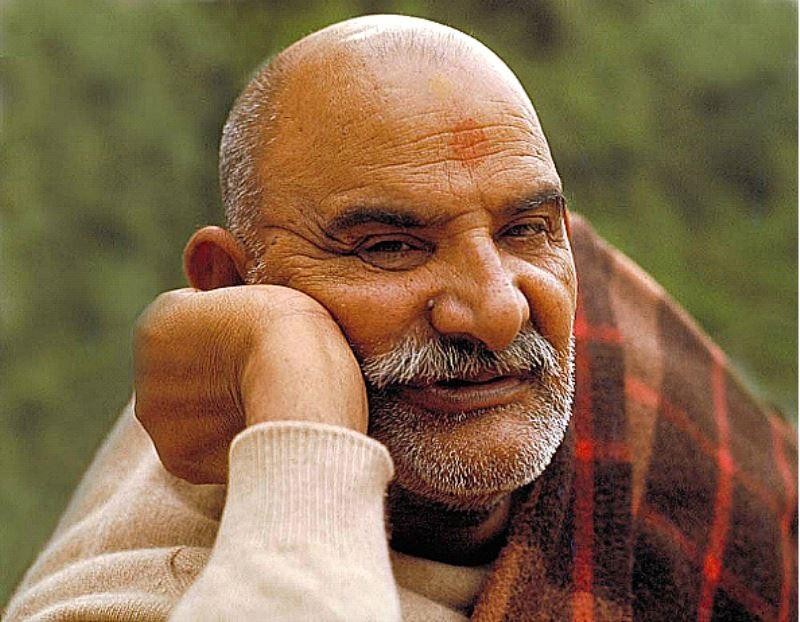
Neem Karoli Baba, lovingly called Maharaj-ji, expressed his teaching through simple and direct instructions:
Love everyone.
Serve everyone.
Feed everyone.
Remember God.
Tell the truth.
He also taught “Sub Ek” — All is One.
Neem Karoli Baba expressed profound spiritual truths through remarkable simplicity. Rather than elaborate philosophical teachings, he guided people towards love, humility, devotion and selfless service. He encouraged seekers to remember God constantly, serve others without expectation, speak truthfully and recognise the Divine in every person they encountered.
His teaching style was deeply individual. Instead of offering the same advice to everyone, he responded according to each person’s needs and stage of spiritual growth. For householders, he showed that spiritual life need not depend on withdrawal from the world. Ordinary family life, honest work, devotion and acts of kindness could all become powerful paths to God.
Deeply rooted in the Bhakti tradition, Neem Karoli Baba inspired devotion to Sri Ram and Hanuman while reminding seekers that love is the highest expression of spiritual realisation. When service is offered with humility and remembrance of God, even the simplest actions become sacred.
One Living Spiritual Vision
Although these masters differed in language, temperament and method, they all pointed towards the same truth: spirituality must be lived. Self-realisation must lead to inner freedom. Devotion must deepen love. Meditation must transform conduct. Knowledge must awaken wisdom. Service must arise from recognising the Divine in others.
Whether through Self-enquiry, devotion, surrender, meditation, conscious action or selfless service, each showed that the Divine is not distant but present here and now. Practical spirituality begins when this understanding moves beyond philosophy and becomes the foundation of how we think, love, work and live.
Our Approach at Inner Journeys
At Inner Journeys, practical spirituality is the bridge between inner healing and spiritual growth.
Emotional healing can free us from wounds, fears and patterns that limit our present. Karmic and ancestral healing can help address influences that extend beyond the surface personality. Spiritual practice then carries the journey further—towards Self-knowledge, conscious living, surrender, service and a deeper relationship with the Divine.
We draw upon therapeutic understanding where it supports healing, self-awareness and integration. Our deeper orientation remains rooted in India’s spiritual understanding of consciousness, karma, rebirth, the soul and the purpose of human life.
For us, practical spirituality means allowing timeless wisdom to influence how we heal, fulfil our responsibilities, relate to others, make decisions, serve life and move towards the Divine.
It is not an escape from life, but a more conscious, purposeful and spiritually grounded way of living it.


